


Gorakhpur has added a new layer to its evolving civic landscape with the commissioning of a public community facility and accelerated progress on road and institutional infrastructure, signalling a coordinated approach to urban expansion and neighbourhood-level development. The initiatives, implemented through local development agencies, underline how mid-sized cities are increasingly investing in social infrastructure alongside transport and environmental assets.
A newly completed community mandap, built with a capacity of around 300 people, has been added to the city’s portfolio of public amenities. Designed to be accessible across income groups, the facility is intended to support weddings, social gatherings and civic events that often impose high costs on households when reliant on private venues. Urban planners note that such assets help formalise informal event spaces while improving inclusivity in rapidly densifying neighbourhoods.Officials from the Gorakhpur Development Authority said the project is part of a wider programme to distribute community infrastructure more evenly across the city. Over the past year, similar facilities have been delivered in multiple residential zones, with several more under construction in peripheral and semi-urban areas. This decentralised approach aims to reduce pressure on central locations and shorten travel distances for residents, contributing to lower emissions from local travel.
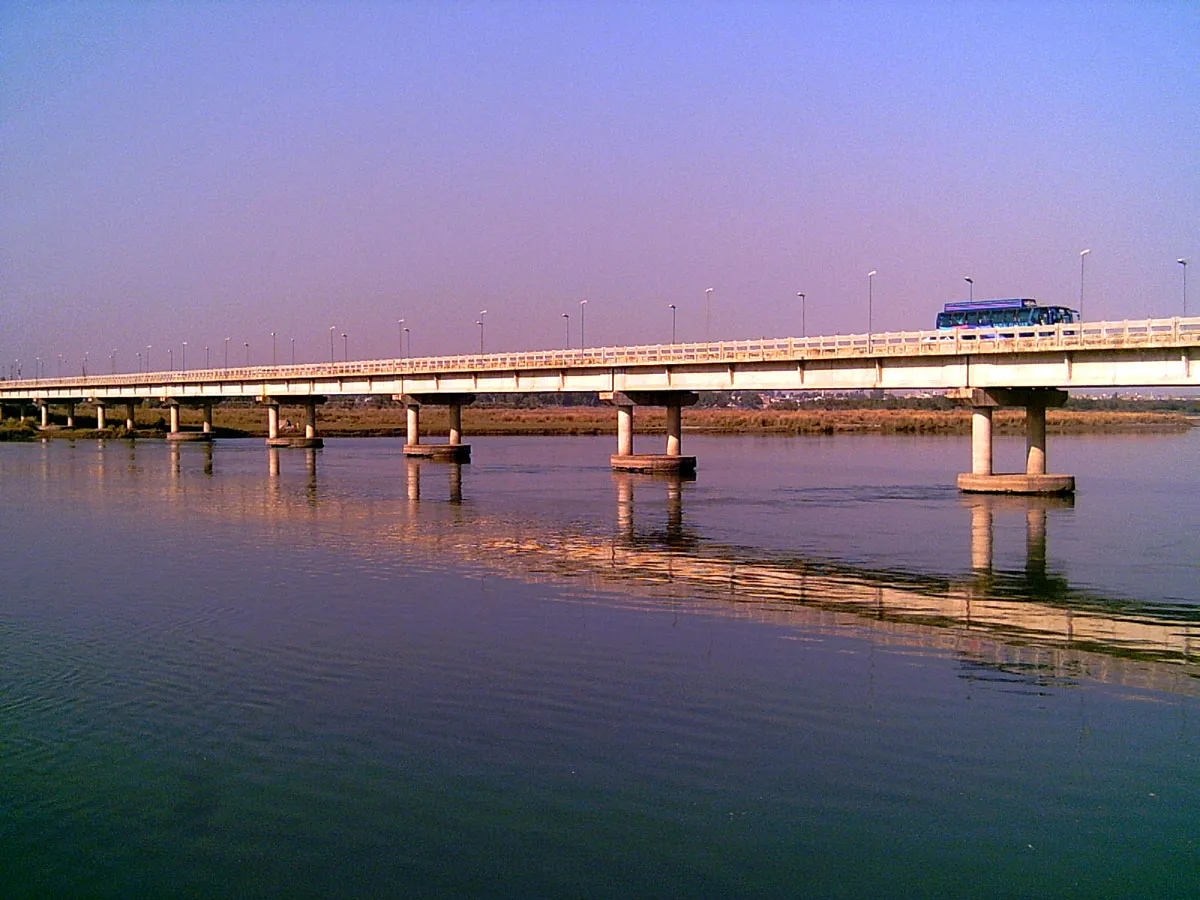
Beyond community buildings, the city has also focused on upgrading older administrative and public-use structures. In one block headquarters, a decades-old complex has undergone structural strengthening, boundary wall reconstruction and basic urban design improvements. According to a senior official, these upgrades extend the life of existing public assets while improving safety and functionality, an approach increasingly favoured over demolition and rebuild from both fiscal and environmental perspectives.Transport infrastructure is another pillar of the current development phase. A 4.8-kilometre ring road segment skirting a key water body is nearing completion and is expected to significantly ease congestion on inner-city roads. Designed with footpaths and safety railings, the corridor reflects a shift towards more complete street principles, accommodating pedestrians alongside vehicles. Urban mobility experts say such links are critical for cities experiencing outward growth, as they help manage traffic redistribution without encouraging unchecked sprawl.
Plans are also being examined for waterfront improvements and a small boat jetty along the same stretch, indicating a move towards integrating mobility, recreation and urban design. If implemented with environmental safeguards, these projects could enhance public access to natural assets while supporting local livelihoods linked to tourism and services.Complementing physical infrastructure, recent investments in education and green institutions on the city’s outskirts point to a longer-term human capital strategy. New colleges and specialised universities focused on forestry and horticulture are expected to strengthen skill development aligned with regional ecological strengths.
Together, these initiatives illustrate how Gorakhpur is positioning itself for balanced growth—combining community facilities, resilient transport networks and educational assets. The next challenge for city managers will be ensuring that maintenance, last-mile connectivity and environmental safeguards keep pace with construction, so that the benefits of new infrastructure are sustained over time.
Also Read:Maharashtra City Grapples With Untreated Sewage Into Godavari
Gorakhpur Scales Up Community And Transport Infrastructure
