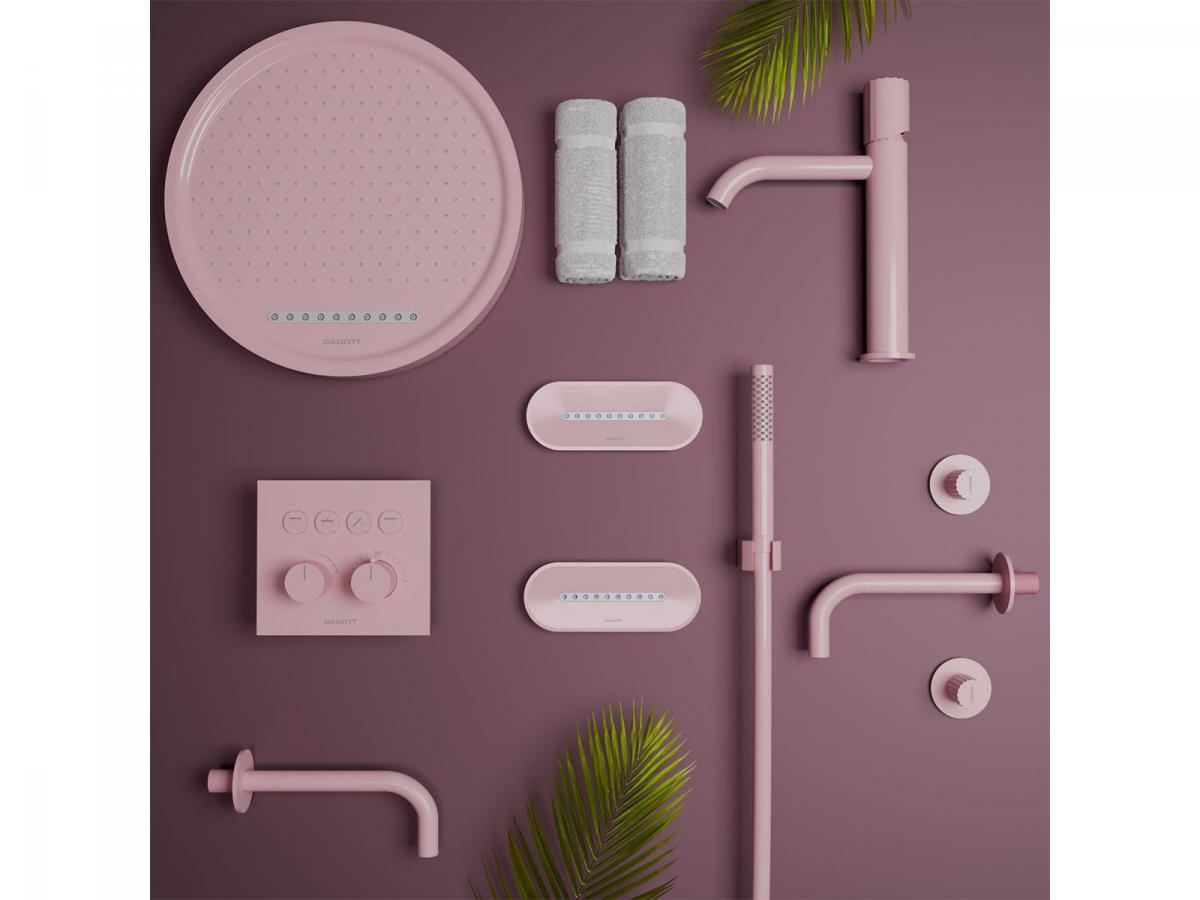
Home interiors brand Gadott has launched a new bathware line named Palette, blending aesthetic subtlety with functional design for modern residential spaces — a move that reflects growing demand for personalised, design-oriented solutions in India’s urban real estate market. Unveiled ahead of Valentine’s Day, the collection emphasises soft hues and tactile finishes, signalling how bathroom interiors are emerging as a deliberate design element in urban homes rather than purely functional spaces.
The Palette series features an array of fixtures and accessories crafted in gentle colour tones — from muted pastels to earthy neutrals — tailored to resonate with contemporary tastes that favour calm, sophisticated environments. This trend aligns with broader shifts in interior design preferences among homebuyers and developers, who increasingly prioritise not just square footage but also quality of finishes and ambience in bathrooms and kitchens, key differentiators in property valuation and livability.Industry experts note that evolving urban lifestyles are driving demand for products that bridge utility with aesthetics. Bathrooms, long regarded as utilitarian zones, are now integral to the holistic design narrative of a home, especially in mid- and high-end segments where buyers expect curated, spa-like experiences. Reflecting this, the Palette collection integrates ergonomic planning with refined visual appeal, offering options that can complement diverse architectural styles from minimalist urban flats to larger townhouses.
“Design matters as much as durability,” says a senior interior consultant. “Homeowners today view every room — including bathrooms — as part of a cohesive narrative that supports wellbeing, comfort and personal expression. Manufacturers that respond to these sensibilities are better positioned to influence purchase decisions and long-term demand.”Beyond aesthetics, the unveiling points to an expanding product category within residential infrastructure: specialised bathware that enhances water efficiency, ease of maintenance and modularity. While Palette’s launch emphasises colour and user experience, observers suggest that environmentally conscious features — such as water-saving aerators and materials with improved longevity — are increasingly expected in this segment, given rising awareness of sustainability in urban living.
Real estate developers have likewise taken note. In competitive markets where amenities and finish quality can sway buyers, collaborations between builders and curated product lines have become commonplace. In new residential projects, branded or design-focused bathware ranges can contribute to higher perceived value, supporting pricing strategies while aligning with trends in personalised living spaces.Economic indicators from the housing sector underscore this dynamic. Even as interest rates and construction costs fluctuate, demand for upgraded interiors and bespoke solutions remains robust in many urban and peri-urban localities. Reports suggest that interior fit-outs and premium finishes often account for a significant share of renovation and new-home budgets, particularly among first-time homebuyers seeking long-term comfort and resale value.
From a manufacturing standpoint, product launches such as Palette reveal how industrial design and market segmentation influence competitive positioning. Companies that can balance aesthetics, cost efficiency and sustainable practices could see stronger traction, especially as consumer sophistication rises. In an industry where price competition has historically dominated, the infusion of design thinking signals maturation and differentiation.
As Indian cities continue to grow and housing preferences evolve, the bathroom — once a background utility — is increasingly seen as a space for personal respite and design expression. Collections like Palette may find fertile ground among urban buyers who prioritise environment, ergonomics and visual harmony in their everyday living spaces.