


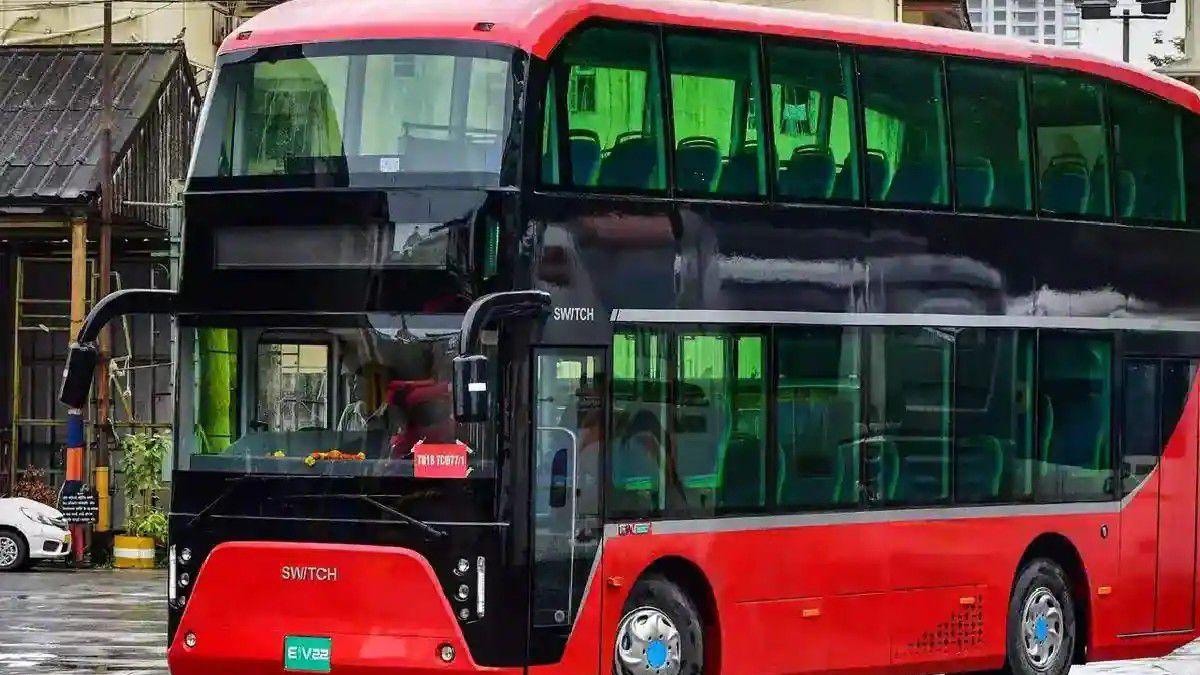
Chennai’s public transport operator is preparing to introduce a fleet of electric double decker buses, including open-roof variants, under a long-term gross cost contract model, signalling a shift towards premium yet low-emission mobility solutions in the city.According to tender documents, the corporation plans to procure, operate and maintain 20 electric double decker buses. The fleet will comprise 16 air-conditioned units and four non-air-conditioned open-roof models, alongside the development of charging stations and associated civil infrastructure. The concession period has been set at 12 years.
The electric double decker initiative reflects a broader strategy to combine fleet electrification with differentiated passenger experiences. While Chennai has steadily added standard electric buses in recent years, the introduction of elevated, high-capacity vehicles suggests an attempt to reimagine bus travel along prominent urban corridors and potential tourism circuits.Under the gross cost contract (GCC) framework, private operators will be responsible for procurement, maintenance and infrastructure creation. Payments will be made on a per-kilometre basis, with assured monthly operations of 4,500 km per air-conditioned bus. This model transfers operational risk to the contractor while allowing the transport undertaking to retain control over routes and fare structures.
Transport economists note that GCC contracts have become a preferred model for electric bus deployment across Indian metros. They reduce upfront capital pressure on state transport utilities while ensuring predictable service standards. However, the long concession period requires careful oversight of battery performance, asset replacement cycles and electricity procurement costs.The open-roof electric double decker units are expected to cater to heritage and coastal routes, offering panoramic city views. Urban planners say such services can enhance public transport’s appeal among discretionary riders, potentially drawing car users into shared mobility systems. Higher ridership improves financial viability and reduces per-capita emissions.
From an infrastructure standpoint, the success of the electric double decker rollout will hinge on depot readiness and grid capacity. Charging infrastructure must be designed to handle peak loads without straining urban distribution networks. Experts suggest integrating renewable power procurement into the contract structure to maximise environmental gains.Capacity is another key factor. Double decker buses can transport more passengers within the same road footprint, improving corridor efficiency without immediate road expansion. In dense commercial areas, this can support transit-oriented development and reduce reliance on private vehicles.
Officials indicate that route planning is under evaluation to align with traffic conditions and passenger demand. If executed effectively, the electric double decker programme could strengthen Chennai’s position in sustainable urban mobility while introducing a distinctive layer to its public transport ecosystem.The coming months will determine whether procurement timelines and infrastructure readiness stay aligned, ensuring that experiential mobility does not compromise operational reliability.
Also Read:Mumbai CREDAI MahaCON Real Estate Outlook
