


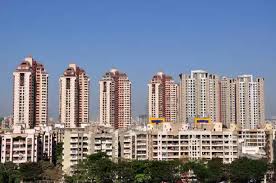
Mumbai’s public housing pipeline is set for a significant expansion as the Maharashtra Housing and Area Development Authority prepares to introduce nearly 5,000 new homes through its next affordable housing lottery, with possession timelines stretching between 2027 and 2029. The move comes at a time when escalating property prices and limited land supply have narrowed options for lower and middle-income households within city limits.
According to senior officials familiar with the planning process, the upcoming MHADA affordable housing lottery will draw largely from under-construction redevelopment projects spread across western, central and eastern suburbs. The agency’s previous cycle saw limited inventory, reflecting slower project completions and redevelopment transitions. This year’s offering marks a recalibration, backed by fresh stock aggregated from multiple sites. A substantial portion of the inventory is expected to originate from the Patra Chawl redevelopment in Siddharth Nagar, Goregaon West one of Mumbai’s largest ongoing rehabilitation-led housing transformations. Urban planners note that projects of this scale not only release formal housing supply into the market but also restructure ageing neighbourhoods with upgraded civic infrastructure, open spaces and improved safety standards. Additional units are expected in Vikhroli, Antop Hill and Pratiksha Nagar in Sion locations that sit within established transit corridors and employment catchments. Proximity to suburban rail lines and arterial roads remains central to the planning logic. Housing economists argue that affordable supply positioned near transport reduces commute times, lowers household transport costs and indirectly contributes to lower urban carbon emissions.
However, unlike ready-to-move schemes of the past, most units in the MHADA affordable housing lottery will be handed over only after project completion over the next three to five years. While this extends waiting periods, officials suggest it allows for better quality control, compliance with modern building codes, and integration of energy-efficient construction features aligned with evolving state sustainability benchmarks. For Mumbai’s housing market, the scale of the offering is noteworthy. Private-sector supply in the sub-Rs 50 lakh category has thinned considerably over the last decade due to land costs and regulatory compliance expenses. Public agencies therefore remain critical to preserving socio-economic diversity within the metropolitan region. Industry analysts expect strong application numbers once the scheme opens, particularly from first-time homebuyers and salaried households seeking stable tenure in formal housing. Yet urban policy experts caution that lottery-based distribution must be accompanied by transparent eligibility screening and timely construction oversight to maintain public trust.
As Mumbai navigates densification, redevelopment and climate pressures, expanding structured affordable housing supply will remain central to sustaining inclusive growth. The upcoming MHADA affordable housing lottery represents not merely a draw of units, but a test of how effectively public institutions can balance affordability, infrastructure readiness and long-term urban resilience.
Also Read: Mumbai SRA Probes Dharavi Housing Eligibility
MHADA Mumbai Plans 5000 Home Lottery
