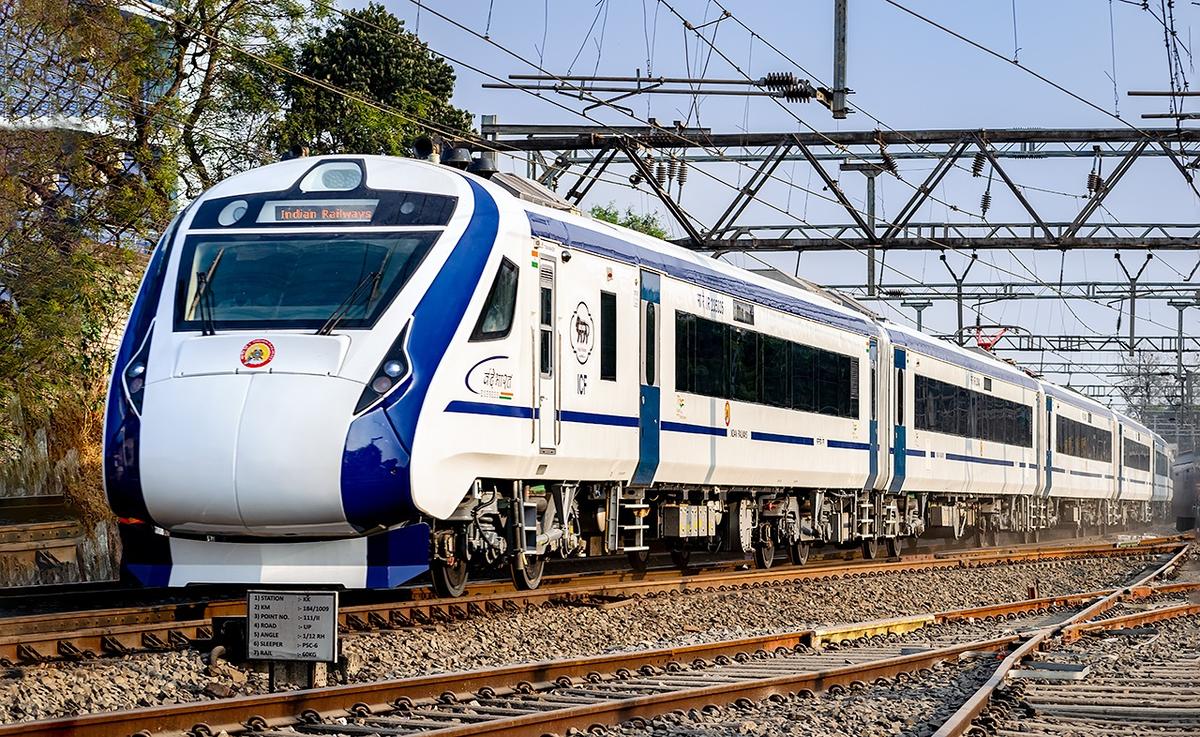
Gujarat has witnessed a notable surge in rail travel as Vande Bharat trains recorded 32 lakh passengers across five key routes within just 13 months, reflecting a growing preference for faster and more comfortable regional connectivity. Western Railway officials reported that the period from January 1, 2025, to January 31, 2026, saw unprecedented occupancy levels, particularly on major city-to-city corridors.
The Ahmedabad–Mumbai Vande Bharat service emerged as the most frequented option, catering to professionals and regular commuters seeking time-efficient travel. Industry observers highlight that its popularity stems from the combination of speed, punctuality, and connectivity between major economic hubs, demonstrating the role of high-quality rail infrastructure in shaping regional mobility patterns. Other corridors, including Ahmedabad–Okha and Sabarmati–Jodhpur, also registered robust passenger engagement, with occupancy rates reaching 90% and 81%, respectively. A senior Western Railway official indicated that these figures underline both latent demand and the critical role of modern rail services in fostering equitable access to transport, particularly in high-density urban and semi-urban regions.
Passenger experience metrics further emphasise the appeal of the Vande Bharat network. Feedback collected on cleanliness, safety, and coach amenities consistently rated highly. Ergonomically designed seats, ample legroom, and reclining features were cited as major contributors to journey comfort, especially for longer intercity trips. In addition, onboard facilities including multiple charging points, infotainment systems, and regionally tailored catering options have enhanced travel quality, aligning with broader objectives of sustainable and inclusive urban mobility. Urban planners note that the success of the Vande Bharat trains in Gujarat may also relieve pressure on road networks by providing a low-emission alternative to car and bus travel. Integrating such services within existing regional transit frameworks could contribute to climate-resilient urban transport and encourage more sustainable commuting habits among residents.
Western Railway officials emphasise that continued monitoring of ridership patterns, combined with targeted service expansions, will be essential to maintaining efficiency and passenger satisfaction. As demand grows, integrating these premium services with feeder networks and last-mile connectivity could further enhance urban and intercity mobility while supporting broader economic growth and regional integration. Overall, Gujarat’s Vande Bharat ridership underscores the evolving landscape of rail travel in India, where speed, comfort, and service quality increasingly influence commuter choices and urban transport planning.
Vande Bharat Trains Drive Gujarat Travel Growth