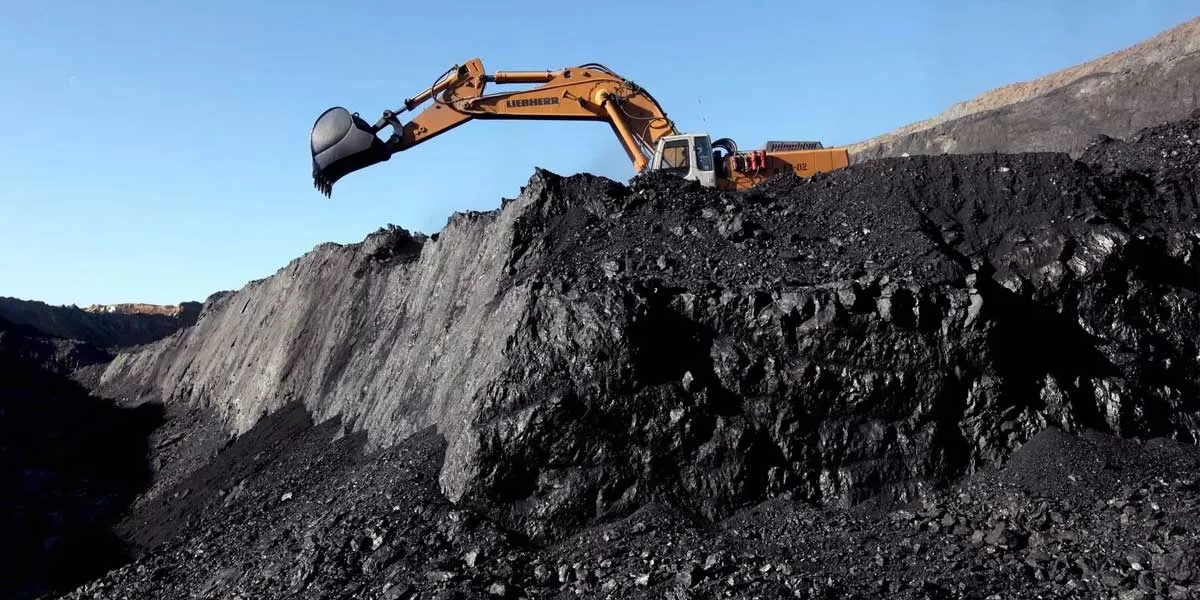
Dhanbad Coal Operations Hit By Nationwide Labour Strike
Coal mining operations across Dhanbad and surrounding districts experienced significant disruption on Wednesday as a nationwide strike protesting the country’s new labour codes drew strong participation from miners, contract workers and trade unions. The walkout affected key collieries operated by subsidiaries of Coal India Limited, underscoring brewing tensions between policymakers and workers in one of India’s most coal-dependent economic regions.
The protest comes amid a series of nationwide actions by worker organisations demanding modifications to labour legislation they argue erodes job security, wage standards and collective bargaining rights. In Dhanbad, where coal mining has long been both an economic backbone and a flashpoint for labour activism, the strike led to reduced production, halted surface operations and delayed dispatches to power utilities and industrial customers.Union leaders said the new codes — which consolidate and rationalise multiple labour laws — could weaken established protections for contract and daily-wage workers who make up a significant share of the coal mining workforce. A senior trade representative described the walkout as a “defensive response” to policy changes perceived as favouring employer flexibility at the expense of worker rights, particularly in high-risk sectors like underground mining.
Coal producers, for their part, faced immediate operational setbacks. Several collieries reported interrupted shifts, curtailed excavation and delays in overburden removal. While core personnel maintained critical safety functions, non-urgent tasks were deferred as workers observed the strike, compounding pressure on production schedules and dispatch commitments.For power plants dependent on steady coal supplies, even short-term disruptions can ripple through electricity generation schedules, especially during peak demand seasons. Analysts say repeated labour actions risk amplifying supply volatility at a time when utilities are already balancing inventory management against rising renewable generation and seasonal demand fluctuations.
Labour economists note that India’s coal sector, heavily reliant on contract labour, is particularly sensitive to reforms affecting wage structures, social security provisions and dispute resolution mechanisms. The industry has historically been a focal point of union mobilisation, with past strikes influencing national energy policy and workplace safety protocols.From a broader urban and economic perspective, the strike highlights the complex intersection between industrial labour rights, regulatory reform and energy security. Dhanbad’s economy — anchored in coal extraction, transportation and associated services — supports thousands of households and peripheral businesses. Prolonged work stoppages not only affect mine output but also local livelihoods, vendor incomes and transport sector revenue.
Policy analysts suggest that meaningful engagement between government, industry and labour representatives is critical to navigating reforms without undermining worker morale or operational stability. In regions like Dhanbad, where communities are deeply intertwined with coal mining, the social impact of policy shifts can reverberate well beyond the pits and processing yards.
As negotiations unfold, stakeholders emphasise the need for balanced labour frameworks that protect worker rights while enabling industrial competitiveness. For the coal sector — facing both regulatory change and energy transition pressures — labour relations will remain a vital factor in sustaining production and supporting regional economic resilience.