


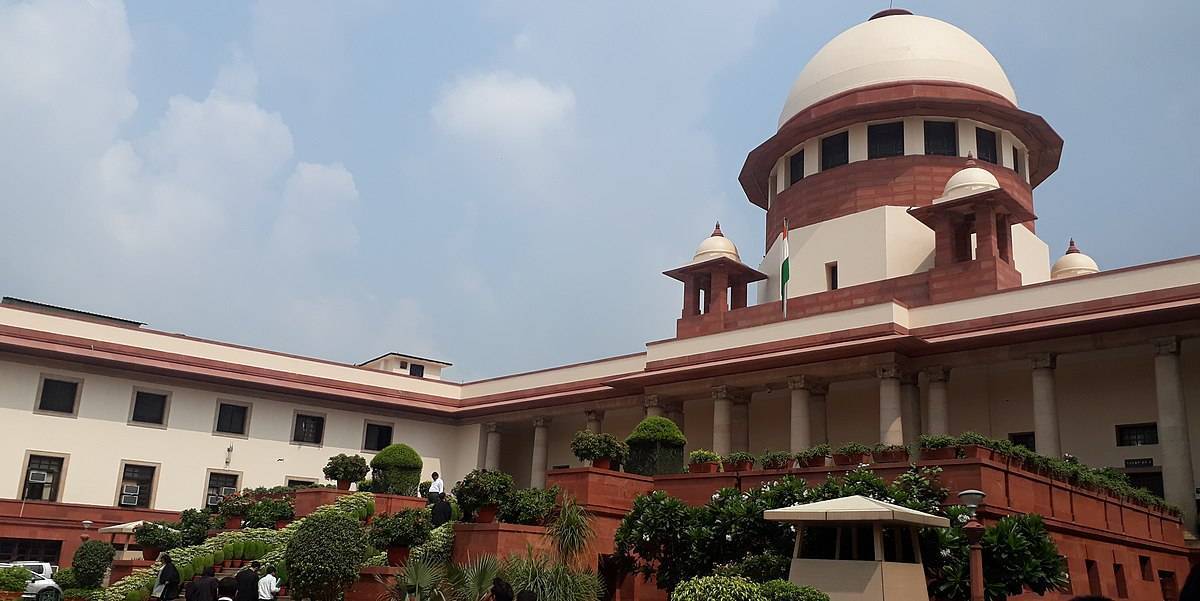
India’s top court has delivered a sharp rebuke to state real estate regulators, questioning whether the Real Estate Regulatory Authority (RERA) framework is serving homebuyers as intended. The remarks came during a hearing linked to the relocation of the Himachal Pradesh regulator’s office, but the observations extended far beyond one state raising concerns about the effectiveness and accountability of RERA bodies nationwide.
A bench led by the Chief Justice observed that the institution, established under the Real Estate (Regulation and Development) Act, 2016 to protect buyers and ensure project transparency, appeared to be falling short of its mandate. The court indicated that several homebuyers feel disillusioned by delays and weak enforcement, and suggested that states may need to reassess how their RERA authorities are structured and staffed. The case before the court involved the Himachal Pradesh government’s decision to shift its RERA office from Shimla to Dharamshala, citing administrative convenience and urban decongestion. The Himachal Pradesh High Court had stayed the move, but the Supreme Court has now allowed the relocation to proceed, subject to the final outcome of pending proceedings. While the relocation dispute triggered the hearing, the broader judicial commentary focused on systemic concerns. The bench questioned the common practice of appointing retired bureaucrats to head regulatory bodies, indicating that technical expertise in urban planning, architecture and environmental design may be more relevant to resolving real estate disputes and monitoring project delivery.
Urban policy experts say the court’s remarks could reignite debate around the operational autonomy and performance of state-level regulators. RERA was conceived as a structural reform to restore trust in India’s housing market after years of stalled projects and developer defaults. Its powers include project registration, monitoring construction timelines, and adjudicating buyer complaints. However, data from multiple states shows persistent backlogs in complaint resolution and uneven enforcement of recovery orders. In high-growth hill states like Himachal Pradesh where tourism-led construction intersects with fragile ecosystems the quality of oversight carries additional implications for climate resilience and land-use management. The bench also directed that appellate jurisdiction in the Himachal matter be adjusted to minimise inconvenience to litigants, signalling a wider concern about access to justice in real estate disputes. For the housing sector, the implications are significant. Regulatory credibility underpins investor confidence, buyer protection and long-term urban planning. Weak oversight risks not only financial loss for homebuyers but also unplanned growth, environmental stress and infrastructure strain.
The Supreme Court’s intervention may now prompt states to revisit governance models, staffing norms and performance metrics for their RERA bodies. As India continues to urbanise rapidly, the effectiveness of real estate regulation will remain central to building transparent, accountable and sustainable housing markets.
Also Read: Bengaluru real estate backs ISL club
Supreme Court flags RERA accountability gaps
