


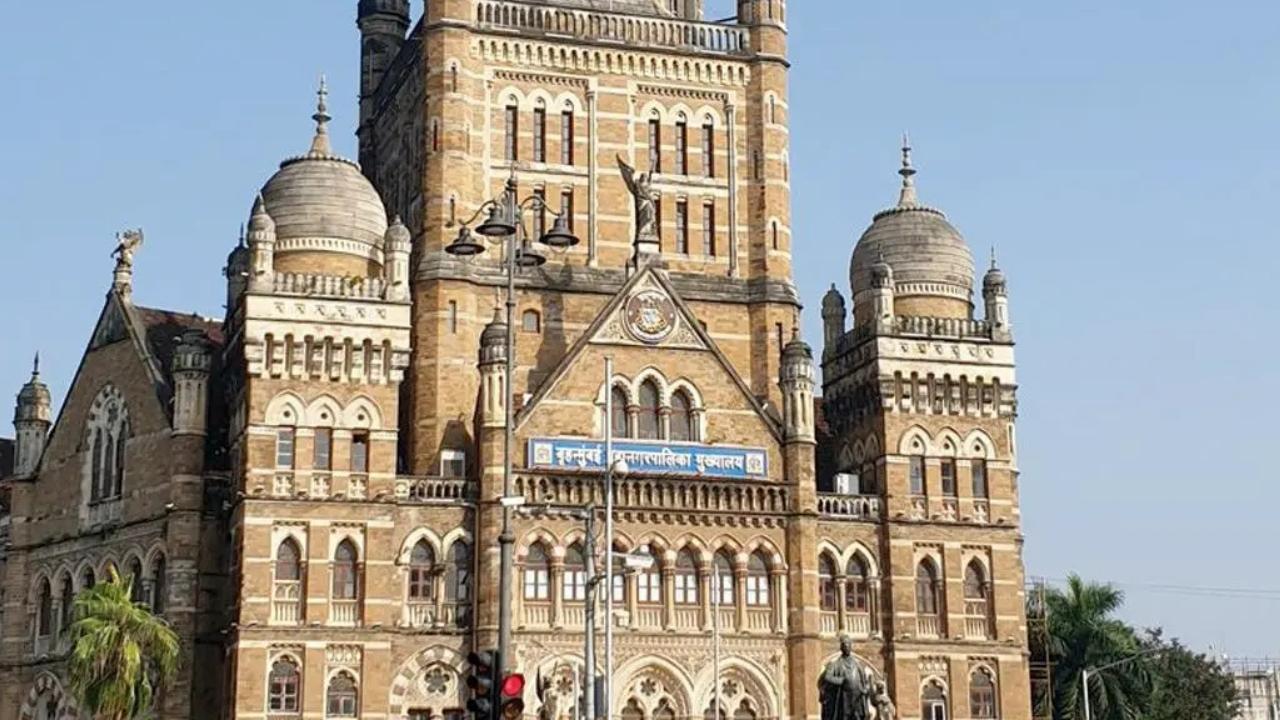
The city’s municipal corporation has initiated e-auction proceedings against six properties after owners failed to clear property tax arrears totalling over Rs 455 crore, marking one of the most significant recovery drives in recent years. The move signals a tougher enforcement stance by the Brihanmumbai Municipal Corporation (BMC) as it seeks to strengthen municipal revenues amid rising infrastructure and climate resilience spending.
According to officials, the identified properties are spread across Goregaon West, Bandra West, Dahisar, Parel, Mazgaon and Malad-Kurar village. The civic administration has also issued extended 21-day final notices to two additional defaulters in the Fort area of south Mumbai, warning that failure to clear dues will trigger similar auction proceedings. The total outstanding amount includes penalties and interest accumulated over time. Under the provisions of the Mumbai Municipal Corporation Act, the Assessment and Collection Department has already carried out attachment and distraint actions on eight properties, covering a mix of open plots, residential land, commercial premises, industrial units and a hotel. As per statutory procedure, movable assets at the defaulting sites will be attached and auctioned first. If recoveries remain insufficient, the immovable assets will be auctioned in accordance with legal safeguards and in compliance with directions issued by the Bombay High Court in an earlier writ petition concerning property tax enforcement.
Urban finance experts say the crackdown reflects mounting fiscal pressure on Indian cities. Property tax remains one of the most stable and locally controlled revenue streams available to municipal bodies. In Mumbai, where infrastructure demands range from flood mitigation and stormwater upgrades to public health systems and mobility expansion, timely tax recovery is critical to maintaining service delivery. Mumbai’s municipal corporation has outlined ambitious capital expenditure plans in recent budgets, including drainage modernisation to counter monsoon flooding and upgrades to waste and water systems. Delayed or defaulted property tax payments directly affect cash flow and borrowing capacity, particularly as cities increasingly turn to market instruments and public-private partnerships to fund urban infrastructure. The use of e-auctions also reflects a broader digitalisation push within civic administration. Online auction mechanisms are intended to enhance transparency, widen bidder participation and reduce procedural delays. However, analysts caution that large-scale auctions in premium micro-markets can influence local property sentiment, particularly if high-profile commercial or mixed-use assets are involved. For property owners, the action underscores stricter compliance expectations. While enforcement is legally mandated, civic planners emphasise that predictable and equitable tax systems are essential for sustainable urban growth.
Efficient collection ensures that revenue generated from rising land values is reinvested into resilient infrastructure, benefiting the wider city. With final notices now issued and auction processes underway, the coming weeks will test both the corporation’s recovery framework and the market’s response to distressed asset listings in India’s financial capital.
Also Read: Mumbai Borivali project signals premium push
Mumbai BMC begins auction of six properties
