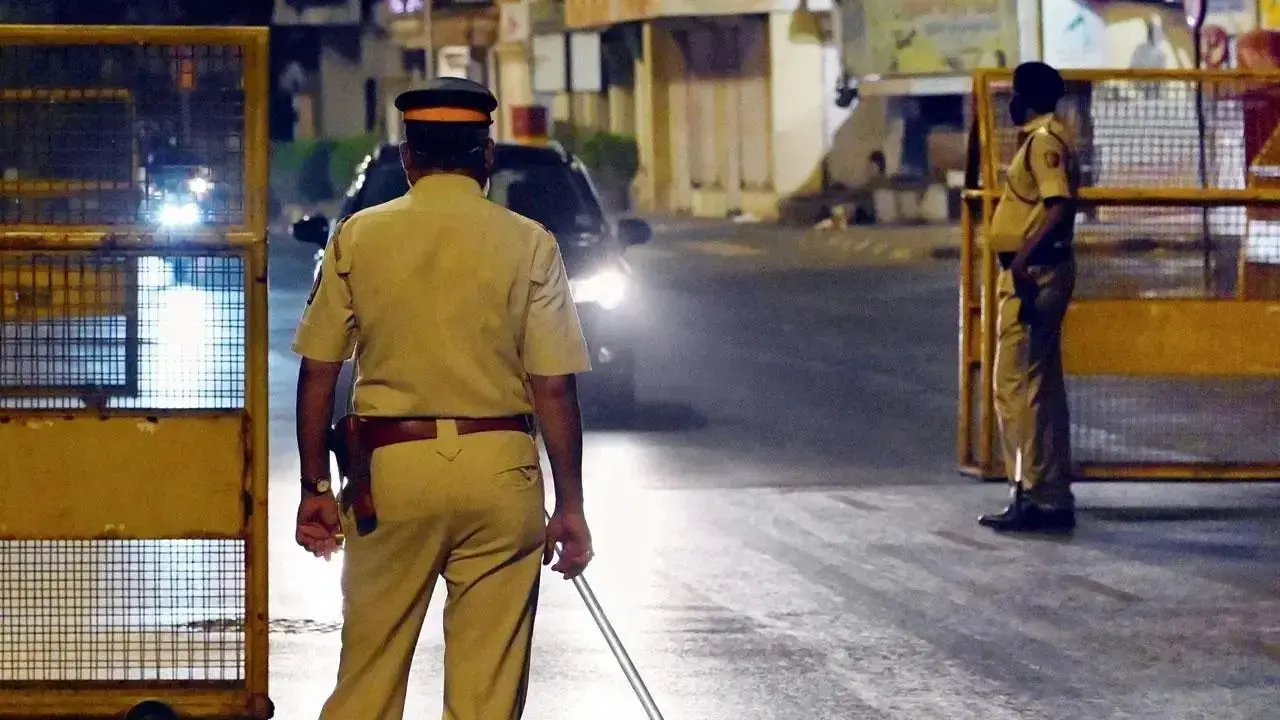
Mumbai Traffic Police Restrict Heavy Vehicles On Tilak Bridge
Mumbai’s traffic management apparatus has imposed a three‑month ban on heavy vehicles crossing the Dadar Tilak Bridge, a central arterial link, in a strategic move to reduce congestion and safeguard network reliability amid overlapping infrastructure work. Effective from February 12 to May 12, 2026, between 7 am and 11 pm daily, the restriction targets tankers, mixers, trailers and other large carriers — redirecting them to designated alternative corridors while preserving the bridge for lighter and commuter traffic.
City planners and traffic officials describe the measure as critical to maintaining sustainable traffic flow during a period when central Mumbai’s road network faces significant pressure. With the reconstruction of nearby elevated structures such as the Elphinstone flyover and the Sion Road Over Bridge already altering travel patterns, the detention of heavy vehicles on a narrow, aging bridge would otherwise heighten bottlenecks, impede emergency movement, and increase pollution from stop‑start traffic.For daily commuters and logistics operators, the ruling carries immediate operational implications. The Traffic Police have outlined multiple alternative routes: northern and southern detours diverting freight around Dadar via key nodes such as Sion Hospital Junction, Kumbharwada Junction and Veer Savarkar Road, while connectors via Broadway, Hindmata Bridge and Chinchpokli Bridge serve vehicles bound for Parel or downtown Mumbai.
Urban transport experts note that such targeted interventions are now a staple of city traffic engineering amid dense infrastructure upgrades. Mumbai’s central urban core, constrained by geography and historical road layouts, cannot easily absorb shifting traffic loads without calibrated diversions. By selectively prioritising lighter commuter flows on high‑demand links like Tilak Bridge while providing planned detours for heavy freight, authorities aim to strike a balance between efficient mobility, safety and minimising carbon emissions from idling vehicles.However, the strategy is not without trade‑offs. Freight operators warn of increased travel distances and fuel costs, which can ripple into delivery times and logistics pricing. Residents along alternate routes have also raised concerns about noise, air quality and road wear — highlighting the broader challenge of equitable traffic redistribution within a megacity. Analysts caution that without concurrent investment in dedicated freight corridors or bypass infrastructure, such restrictions may serve only as temporary relief rather than structural solutions.The ban is enforced under the powers of the Motor Vehicles Act, 1988, and the Traffic Divisions of Matunga and Dadar will monitor compliance, signalling a strict compliance regime with penalties for violations.
Looking ahead, transport planners see this as part of a larger adaptive traffic management strategy, dovetailing with long‑term upgrades — including a new six‑lane cable‑stayed bridge at Dadar expected to open in 2026 — that could ultimately enhance east–west connectivity while reducing congestion and improving air quality in this densely inhabited corridor.