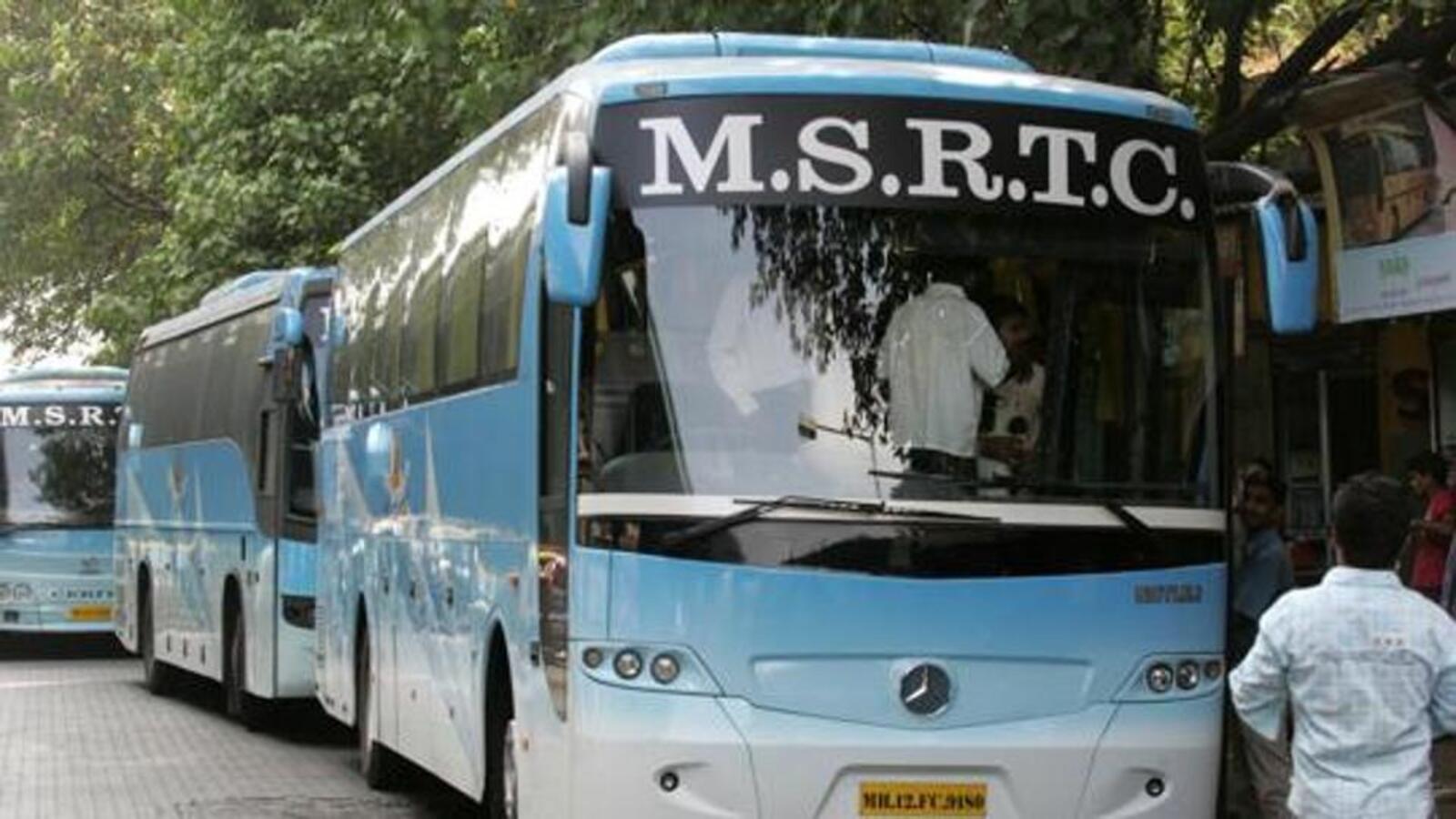
MSRTC Diesel Reform Cuts Costs For Public Transport
In a judgment with significant implications for administrative oversight and corporate governance in publicly owned transport enterprises, the Bombay High Court has ruled that the State Minorities Commission lacks authority to annul the Maharashtra State Road Transport Corporation’s (MSRTC) tender process. The bench also directed a formal crime branch investigation into alleged irregularities, underscoring the boundaries of statutory powers in public procurement and the importance of transparent tendering in urban transport infrastructure.
MSRTC — a lifeline for millions of commuters across Maharashtra’s urban and rural belts — had recently awarded tenders for fleet modernisation and allied services. A complaint alleging procedural lapses led the State Minorities Commission to move a tribunal seeking cancellation of the process and an investigatory probe. The High Court, however, held that the Commission does not possess the legal mandate to interfere with tender cancellation, a power that resides with designated administrative or judicial bodies under the Maharashtra Transparency in Public Procurement Act and allied regulations.Judicial observers say the ruling clarifies an important governance boundary: advisory or rights commissions may facilitate grievance reporting but cannot usurp statutory adjudicatory authorities responsible for public procurement decisions. “Public tenders, especially those involving significant capital and service delivery implications, must be safeguarded by clear legal frameworks; this judgment affirms that grievance redressal cannot override established procurement law,” a governance expert noted.
Crucially, the court directed the state’s crime branch to investigate allegations that underpin the complaint, reinforcing that while the commission lacked the authority to cancel the MSRTC tender, allegations of misconduct warrant formal law‑enforcement scrutiny. Such dual oversight — administrative law and criminal investigation — is seen as a mechanism to ensure accountability without undermining institutional mandates.Analysts say this ruling could influence how oversight bodies engage with large‑scale public procurements in sectors critical to urban mobility. MSRTC, one of India’s largest bus operators, serves dense urban corridors like Mumbai, Pune, Nagpur and Nashik, alongside rural routes that support economic linkages. Any tender process that modernises fleets — particularly with investments in cleaner fuel technologies or digital fleet management systems — bears direct relevance to commuting experience, air quality and regional connectivity.
Experts highlight that transparency in procurement bolsters investor confidence and public trust, which are vital for corporatised public utilities operating under fiscal constraints. A clean tendering environment can facilitate partnerships with private manufacturers, technology vendors and financiers — all stakeholders in upgrading bus fleets with electric or low‑emission vehicles under India’s climate commitments.For the State Minorities Commission, the court’s ruling defines the limits of intervention in market‑oriented public processes, while affirming its role in directing complaints to proper legal forums. Commissioners and civil society advocates are likely to recalibrate strategies for raising procurement concerns, focusing on legal channels like public interest litigation or statutory complaint mechanisms embedded within tender guidelines.For civic authorities and transport planners, the broader takeaway lies in strengthening institutional processes that pre‑empt allegations of irregularity. Robust pre‑tender audits, stakeholder consultations, clear technical criteria and concurrent disclosures can reduce disputes and reinforce the legitimacy of strategic investments.
As the crime branch initiates its probe, MSRTC’s ongoing tender procedures and future competitive bids will be watched closely by both industry players and commuters alike. Ensuring adherence to law and transparent execution will be crucial for maintaining operational integrity in a transport system that underpins Maharashtra’s urban and regional mobility ambitions.