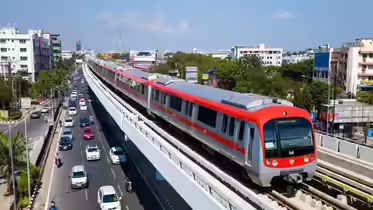
Pune’s urban transport landscape is poised for a major transformation as formal processes begin for the second phase of its metro network, targeting two elevated corridors in the city’s rapidly expanding eastern suburbs. The planned lines, linking Hadapsar with Loni Kalbhor and Saswad Road, aim to ease pressure on key arterial roads while providing more sustainable, reliable transit options for daily commuters.
The proposed development, estimated at nearly ₹5,800 crore, will deploy a double-decked structure, where vehicles traverse the lower level and metro trains operate above. Urban planners suggest this model maximises land use efficiency in dense suburban zones while preserving the flow of existing road traffic. Officials highlight that these corridors will support both residential communities and growing industrial clusters, offering a potential reduction in travel times across key commuter routes.
The Hadapsar–Loni Kalbhor stretch spans approximately 11 km with 10 planned stations. Experts indicate that the alignment strategically serves high-density residential pockets alongside industrial areas, potentially reshaping commuting patterns and reducing reliance on personal vehicles. Similarly, the 5.6 km Hadapsar–Saswad Road line, encompassing four stations, is expected to accommodate the daily movement of workers from emerging housing and commercial developments, reflecting a broader trend of metro systems responding to suburban expansion. Infrastructure authorities have already secured city-level approvals and state-level review for the detailed project plan, while Union Government clearance remains pending. The next phase involves inviting bids for detailed design consultancy, which will finalise station layouts, structural integrations, and pedestrian access. Urban mobility specialists emphasise that such early-stage design decisions are crucial to achieving inclusive, accessible transit that caters to women, older adults, and persons with disabilities.
From a broader urban perspective, the new corridors form part of the larger Khadakwasla–Kharadi alignment under Phase II. Analysts note that these lines, when integrated with planned flyovers and pedestrian infrastructure, could mitigate congestion on the Pune–Solapur highway and adjacent arterial roads, supporting more equitable access to employment hubs and commercial zones. Sustainable transport advocates also point to the environmental gains of shifting commuters from private vehicles to mass rapid transit, contributing to Pune’s low-carbon mobility targets. As Pune Metro Phase II transitions from planning to execution, its success will depend on timely approvals, effective design, and integration with road and pedestrian networks. For residents and the city’s economic ecosystem, these lines promise improved connectivity, safer travel, and more resilient suburban growth, reinforcing Pune’s commitment to people-first urban development.