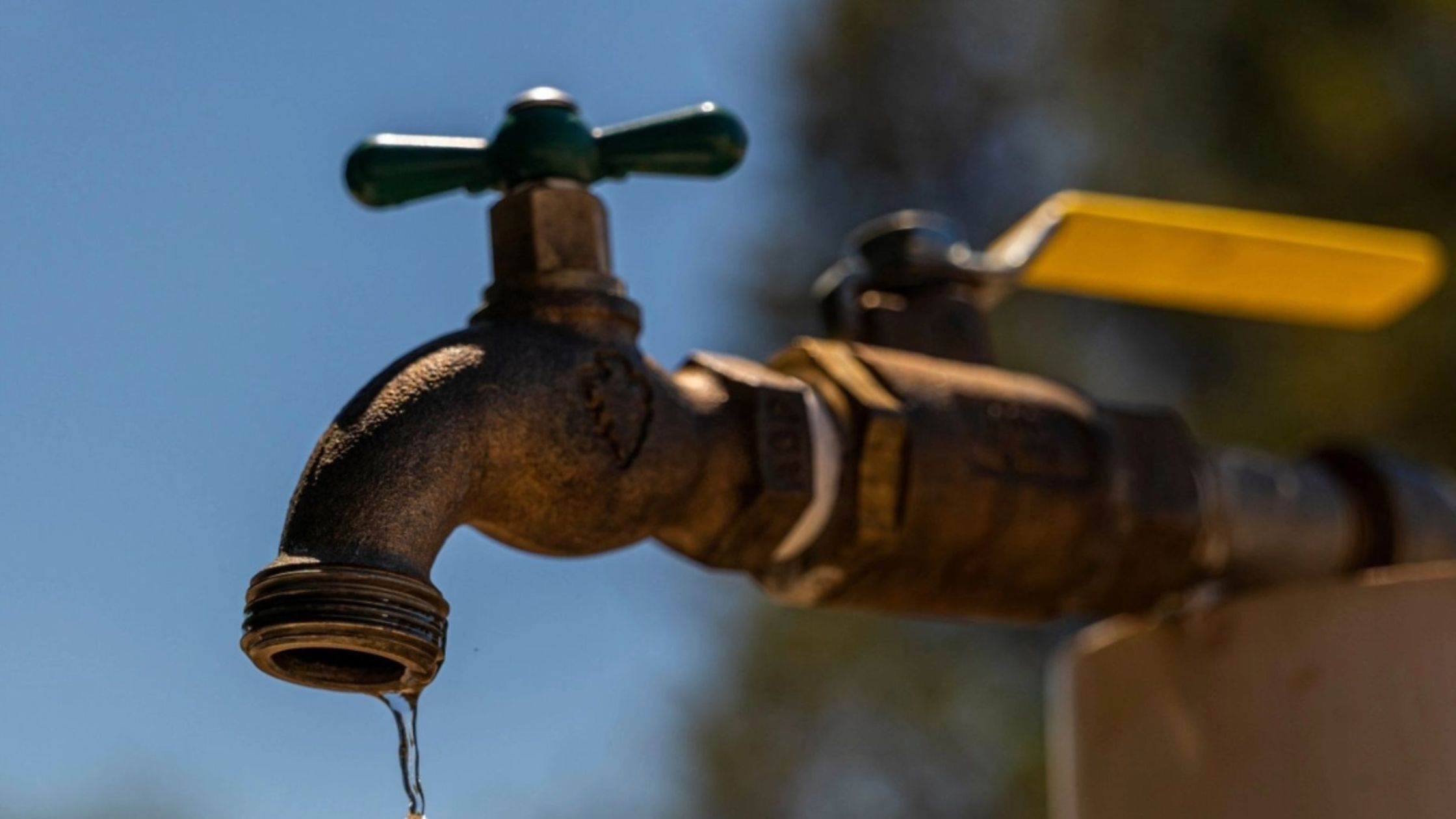
Pune, large parts of southern and western Pune will experience a full-day water supply shutdown on February 12 as the Pune Municipal Corporation (PMC) undertakes infrastructure upgrades at the Vadgaon water treatment facility. The disruption, affecting residential and mixed-use neighbourhoods, underlines the mounting pressure on urban water systems in fast-growing Indian cities and the need for phased modernisation. According to civic officials, the temporary suspension is required to enable the installation of additional distribution kiosks within the treatment plant’s operational network. Supply is expected to resume the following morning, though residents may encounter low pressure as the system is gradually stabilised.
Areas dependent on the Vadgaon treatment system including Hingne, Anandnagar, Vadgaon Dhayari, Ambegaon Pathar, Dhankawadi, Katraj, Kondhwa Budruk and adjoining localities are likely to see the most impact. Several residential societies, institutional zones and hillside settlements linked to associated pumping stations and storage tanks will also face interruptions. Municipal engineers describe the intervention as part of a broader strengthening of distribution infrastructure designed to improve long-term reliability. Pune’s water supply network, much of which was developed decades ago, has been stretched by rapid urban expansion, vertical housing growth and increasing per capita demand. Periodic shutdowns for retrofitting and capacity upgrades have become more common as the city attempts to align legacy infrastructure with contemporary service standards.
Urban planners note that while temporary inconvenience is unavoidable, such upgrades are essential for enhancing resilience. “Cities that delay maintenance ultimately face larger system failures,” said a senior infrastructure consultant familiar with water utility reforms. “Planned outages, if communicated well, are preferable to emergency breakdowns.” The episode also highlights broader sustainability concerns. Pune’s dependence on distant reservoirs, coupled with erratic rainfall patterns linked to climate variability, has intensified scrutiny over water governance. Experts argue that infrastructure augmentation must be paired with demand-side management, leak reduction, rainwater harvesting enforcement and decentralised storage to create a climate-resilient urban water framework.
For residents in affected neighbourhoods, the immediate focus remains practical preparedness. Civic authorities have advised households and commercial establishments to store adequate water in advance and to use supplies judiciously during the restoration phase. Reduced pressure on February 13 could temporarily affect high-rise buildings that rely on pumping systems. From a real estate perspective, consistent municipal services remain a core determinant of property value and liveability. As Pune continues to expand its housing footprint along southern growth corridors, infrastructure reliability will play a critical role in sustaining investor confidence and ensuring equitable access to basic services. The February 12 water supply shutdown, while limited in duration, signals a larger transition underway: cities retrofitting ageing systems to meet the demands of a denser, climate-conscious future. How effectively Pune balances expansion with service resilience will shape its urban trajectory in the decade ahead.