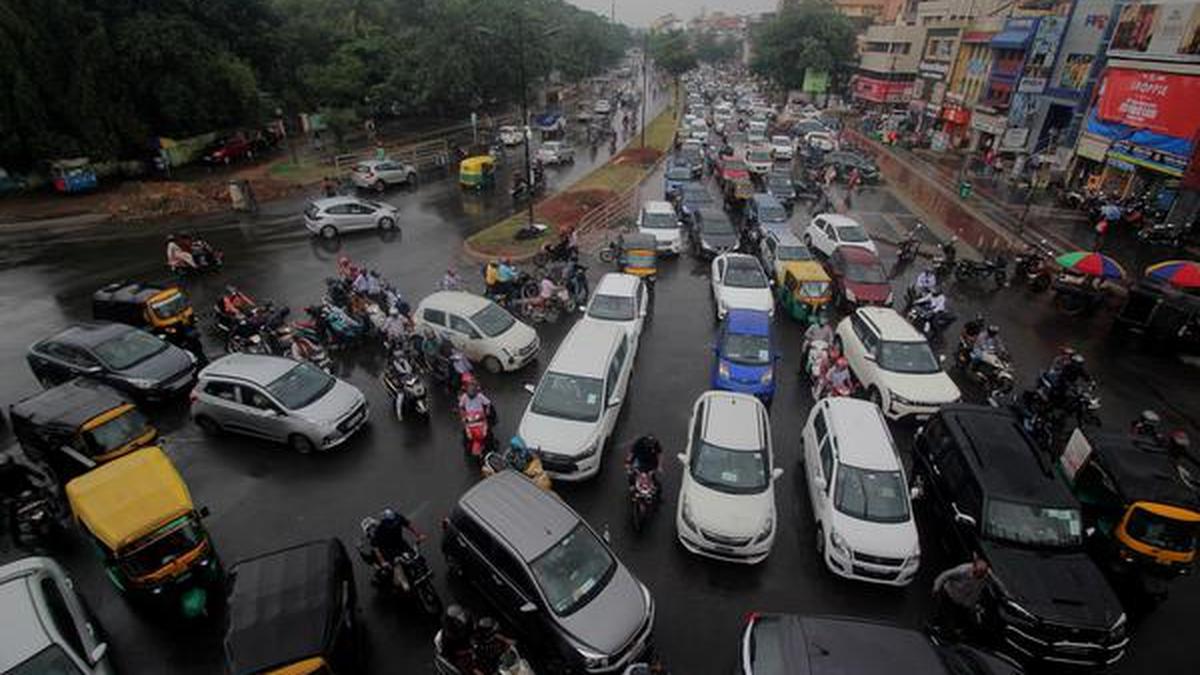
Maharashtra has rolled out a statewide road safety enforcement drive that directly links helmet compliance to toll access, signalling a sharper shift towards behavioural enforcement in traffic management. Under the new approach, two-wheeler riders without helmets will be stopped from crossing toll plazas, a move aimed at addressing the disproportionately high number of fatalities involving motorcyclists and pedestrians across the state.
The initiative follows a recent internal review of accident trends conducted by the Maharashtra Transport Department, which revealed that vulnerable road users account for a significant majority of deaths on state roads. Officials familiar with the findings say enforcement at toll points has been prioritised because these locations allow consistent monitoring without adding new physical checkpoints. As part of the drive, all toll plazas are being instructed to display clear signage at designated two-wheeler lanes stating that entry is conditional on helmet use. While two-wheelers are exempt from toll charges, authorities believe toll booths offer a practical choke point to ensure compliance. Radar-based interceptor vehicles are being deployed near plazas and on adjoining highway stretches to support enforcement and deter evasive behaviour.
Provisional statewide data reviewed by transport officials indicates that more than 36,000 road accidents were reported last year, resulting in over 15,000 fatalities and tens of thousands of injuries. Two-wheeler riders alone accounted for well over half of these deaths, with pedestrians forming the second-largest affected group. Based on these trends, the state has set a long-term target of cutting road fatalities by more than half by the end of the decade. Beyond toll enforcement, regional transport offices have been directed to identify and digitally map accident-prone locations across national highways, state highways, and major arterial roads. Using multi-year crash data plotted on mapping platforms, officials plan to prioritise high-risk corridors for engineering corrections, enforcement drives, and public awareness interventions.
Special attention is being placed on pedestrian-heavy zones, where accident patterns often point to design failures rather than driver behaviour alone. Transport planners involved in the programme say corrective measures may include closing unauthorised median openings, installing protective fencing, improving footpath continuity, and upgrading signalised crossings. In some locations, grade-separated pedestrian infrastructure such as subways or foot overbridges is also under consideration. The drive also extends to driver training and licensing. Regional offices have been instructed to maintain strict standards at automated driving test centres, where a significant proportion of applicants currently fail on safety parameters. Officials argue that easing test standards would undermine broader road safety goals.
Coordination across agencies is a key element of the strategy. Local civic bodies, highway authorities, public works departments, and village administrations are being asked to align enforcement and infrastructure upgrades to ensure consistency across jurisdictions. Urban mobility experts say the initiative reflects a growing recognition that road safety is central to sustainable urban development. Safer conditions for two-wheeler users and pedestrians not only reduce fatalities but also support low-emission transport choices critical for climate-resilient cities. The effectiveness of the programme, however, will depend on sustained enforcement and transparent monitoring as the state reviews progress on a monthly basis.
Maharashtra Tightens Toll Rules To Improve Road Safety