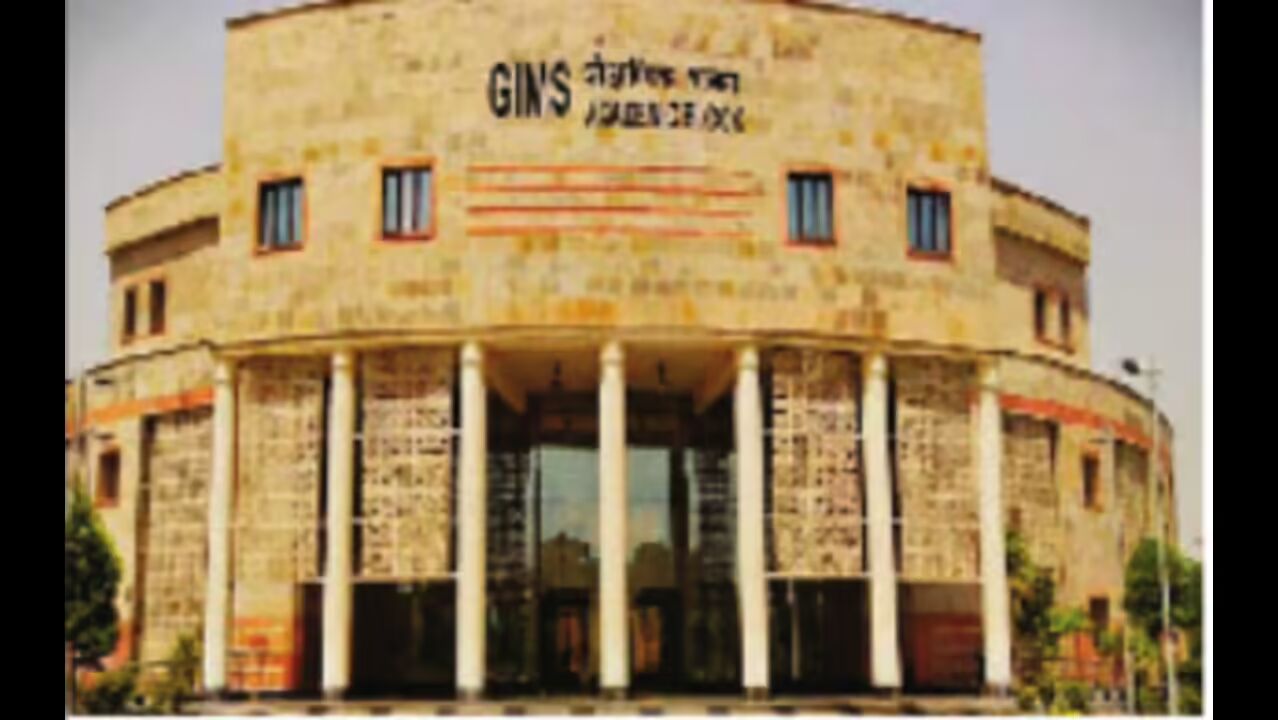
Greater Noida Medical Institute Secures Biosafety Clearance
Greater Noida’s Government Institute of Medical Sciences (GIMS) has secured formal Department of Biotechnology (DBT) approval for its Institutional Biosafety Committee (IBSC), marking a regulatory milestone for biomedical research governance at the tertiary health sciences campus.
The clearance means the institute can now legally conduct in-vitro biological research under national biosafety norms, bolstering its scientific infrastructure amid rising demand for local clinical research and public health innovations. The DBT-registered IBSC is a statutory committee mandated under India’s biosafety regulatory framework, designed to oversee and certify research involving biological agents such as microorganisms, recombinant DNA, and cell cultures. Institutional Biosafety Committees play a central role in risk assessment, compliance monitoring, and approval of laboratory protocols before research activities begin. For GIMS, the approval synchronises with recent investments in a BSL-2+ cell culture facility, a controlled laboratory environment where scientists can safely grow and experiment on human and animal cell lines for studies ranging from disease modelling to drug screening.
Officials describe the committee’s registration as a prerequisite for any advanced biomedical work that involves live cells or biohazardous materials. Public health experts note that institutes with in-house biosafety governance are better positioned to contribute to regional research ecosystems. By validating internal oversight through DBT’s Review Committee on Genetic Manipulation (RCGM), GIMS aligns itself with a framework that emphasises trained expertise, emergency preparedness and adherence to risk mitigation standards — foundational elements for translational research and clinical innovations. In practical terms, the IBSC will vet research proposals, carry out site assessments of containment measures, and report compliance to national regulators. This committee also ensures that all protocols involving genetically modified or hazardous biological agents conform to the “Rules 1989” under the Environment (Protection) Act, which governs biosafety in scientific research in India.
Locally, the move is significant for Greater Noida’s growth trajectory as an emerging healthcare and knowledge hub. With substantial patient volumes at its 630-bed hospital and expanding specialties, the institute’s capability to conduct regulated biomedical research may foster stronger collaborations with academic partners and industry. Urban development specialists suggest such capabilities strengthen the city’s appeal as a site for life sciences investment while embedding people-first health outcomes and research accountability into local infrastructure. However, realising this research potential depends on robust operational frameworks. Institutional observers highlight that biosafety oversight must be matched with rigorous training for laboratory personnel, transparent reporting systems, and continuous alignment with national guidelines to ensure ethical research conduct. Experts also stress the importance of community engagement and environmental safeguards, given the intersection of biomedical labs with densely populated urban areas.
As Greater Noida expands its role in medical education and healthcare delivery, this regulatory step for GIMS could help unlock new research pathways, support postgraduate training, and contribute to public health preparedness. The institute now joins a cadre of research bodies with formal biosafety governance, advancing both scientific capacity and compliance in India’s fast-evolving biomedical landscape.