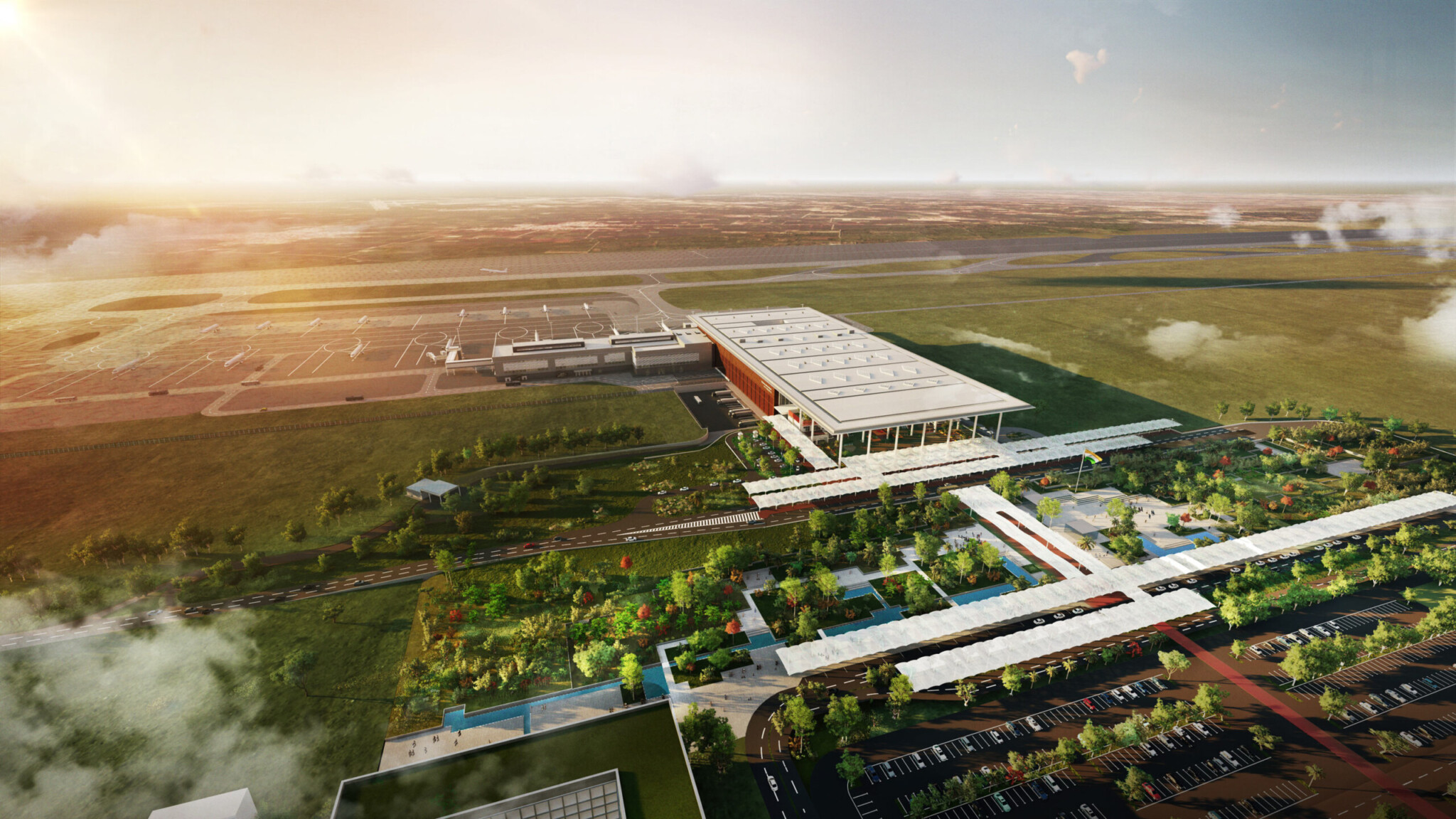
The Uttar Pradesh state budget for 2026-27 has earmarked ₹750 crore to fast-track land acquisition and infrastructure groundwork for the Noida International Airport at Jewar, a strategic move with profound implications for regional connectivity, real estate markets and sustainable urban growth.
With nearly 90% of the allocation directed to land procurement, the budgetary emphasis underscores the state’s intent to transition the airport from infrastructure project to a fully operational aviation hub. State planners see the airport as a catalyst for the National Capital Region’s economic expansion, designed to absorb rising passenger and cargo demand while complementing existing facilities in neighbouring capital cities. Urban planners and industry analysts highlight how such targeted funding can unlock investments in logistics, maintenance, aerospace research and allied services — sectors critical to equitable employment and broader industrial ecosystems around Noida and Greater Noida. According to budget documents, approximately ₹700 crore of the ₹750 crore is allocated for land acquisition across the third and fourth phases of the airport’s expansion, with the remaining ₹50 crore targeted at constructive activities tied to infrastructure enabling works.
The phased acquisition reflects continuing efforts to assemble over 2,000 hectares required for runway additions, cargo zones and aviation support facilities. Local officials report that compensation rates set for farmers have resulted in smoother negotiations, an essential step in accelerating project timelines. Urban economists note land procurement often represents one of the most contentious and expensive aspects of megaproject delivery in India’s urban peripheries. Prioritising land funds early in the budget cycle provides certainty to developers and reduces the risk of slowdowns that can delay operational readiness. While the airport has already seen significant progress on its terminal and initial runway infrastructure, it remains contingent on regulatory clearances before commencing commercial operations. Once in service, planners forecast handling capacity scaling to tens of millions of passengers annually. Beyond passenger flows, the state intends to position the airport as a research, maintenance and operations hub capable of drawing specialised talent and innovation-driven enterprises to the region.
Economists caution that realising this vision requires synchronised enhancements in transport integration, waste management, housing affordability and green mobility to ensure that surrounding districts benefit from growth without exacerbating socio-economic divides. Sustainable urban designers stress that embedding climate-resilient infrastructure — from low-carbon transit links to energy-efficient facilities — will be essential as the airport transitions from construction to operation. The budget’s capital outlay reinforces investor confidence in Noida’s long-term infrastructure trajectory, already reflected in rising interest for industrial land and peri-urban development around the airport belt. Yet experts also flag the need for clear frameworks on environmental safeguards and inclusive land restitution practices that protect smallholder rights and local ecology.
As Uttar Pradesh moves forward with this pivotal budgetary investment, attention will turn to execution timelines, community engagement in land use planning, and the airport’s integration into a zero-carbon, people-centred urban future.