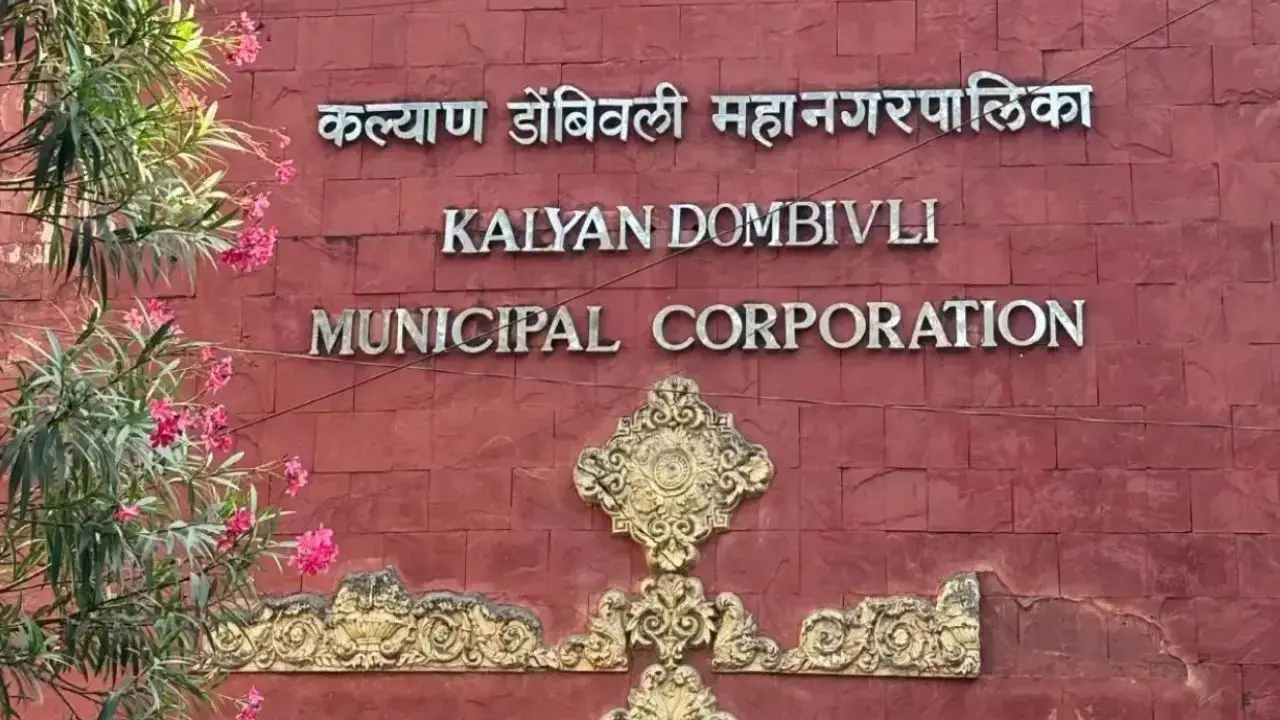
A municipal enforcement action in the Kalyan-Dombivli region of Maharashtra has underscored the growing urgency of property tax compliance within fast-expanding urban districts, with the Kalyan-Dombivli Municipal Corporation (KDMC) sealing administrative offices of a local school over unpaid tax arrears of approximately ₹1.3 crore. The move highlights mounting fiscal pressures on civic bodies to secure stable revenue streams essential for infrastructure upkeep and equitable urban services — even as such enforcement raises questions about continuity of essential community functions.
On Tuesday, KDMC’s tax department padlocked the principal’s office, staff room, fee counter and management areas of G R Patil School and Junior College in Titwala, after the unaided institution failed to clear longstanding property tax dues. The corporation had earlier accepted a partial payment of around ₹57 lakh but noted default on the balance, prompting pursuit of legal recovery measures under municipal regulations.Municipal officials assert that penalty charges were applied — nearly one-quarter of the outstanding amount — due to the property’s unauthorised building status, significantly inflating the total liability. They emphasised that enforcement actions like sealing premises are executed in accordance with statutory norms and form part of a broader drive to bolster tax collections. With KDMC targeting a ₹750 crore revenue collection for the current fiscal year, the civic body has intensified efforts to recover arrears following a period of limited enforcement tied to electoral duties.
School administrators, however, warn the action’s timing could disrupt ongoing operations. The institution, which serves more than 550 predominantly economically marginalised students, was in the midst of formative academic activities when offices were sealed, risking access to critical records and administrative continuity. School leadership confirmed that applications for regularisation of the unauthorised structure are in progress, and a plea to reduce penalty charges under past amnesty provisions was rejected.Urban governance experts stress the difficult balance municipal authorities face between fiscal accountability and ensuring uninterrupted delivery of core services in expanding urban peripheries. As local governments tighten fiscal discipline, enforcement against non-compliant entities becomes more common — from residential to institutional properties. Similar actions by other civic bodies underscore nationwide efforts to reinforce property tax enforcement as a sustainable revenue strategy crucial for local infrastructure, sanitation, and public amenities.
Property tax remains a foundational component of municipal finances, funding everything from water supply and waste management to urban renewal initiatives. In areas where rapid population growth pressures existing systems, reliable tax income is vital to avoid service degradation and to plan long-term investments equitably across neighbourhoods.
For communities and institutions facing compliance challenges, the event points to a growing need for transparent mechanisms that support timely regularisation and structured payment pathways to avoid punitive enforcement — particularly where public interest services like education are affected. As KDMC continues its recovery campaign, policymakers and civic planners will need to balance fiscal imperatives with safeguards that protect essential community functions and ensure inclusive urban development.