


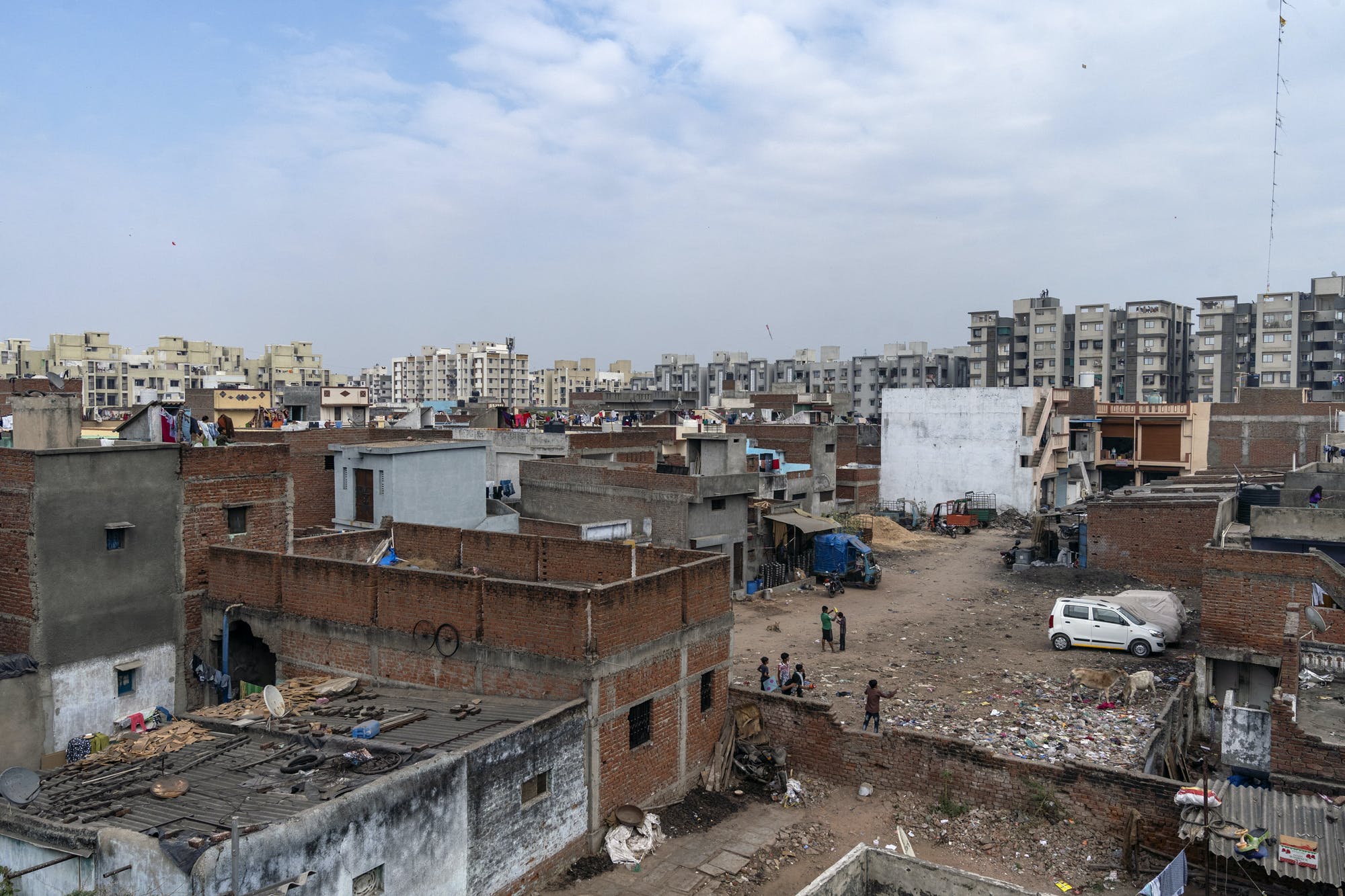
Hyderabad is preparing to deploy mobile anganwadi units across dense slum clusters and underserved neighbourhoods, as Telangana moves to plug gaps in early childhood nutrition and maternal care within the metropolitan region. The proposed intervention seeks to reach more than 25,000 eligible beneficiaries who currently lack access to nearby centres, highlighting the growing challenge of delivering welfare services in rapidly expanding cities.
Officials in the state’s women and child development department indicate that traditional brick-and-mortar anganwadi centres have struggled to keep pace with Hyderabad’s demographic churn. High population density, migrant inflows and limited availability of compliant buildings have restricted the establishment of new facilities, particularly within informal settlements falling under the Hyderabad Metropolitan Development Authority.A recent assessment mapped 25,310 children, pregnant women and lactating mothers across several urban pockets without functional anganwadi coverage. In response, authorities have drawn up a plan to hire 37 vehicles that will serve 274 slum clusters through a mobile anganwadi model. These vehicles will operate under the administrative control of the nearest permanent centre and distribute supplementary nutrition, conduct basic health screenings and facilitate early childhood services.
The initiative, estimated to require approximately ₹4 crore annually, has been submitted for approval. Senior officials say the objective is to ensure that no eligible beneficiary is excluded from nutritional support due to location constraints.Urban development specialists note that the mobile anganwadi approach reflects a broader shift in how Indian cities are rethinking social infrastructure. As land prices escalate and inner-city parcels become scarce, mobile and modular service delivery models are emerging as cost-effective alternatives. However, experts caution that mobility must not dilute service quality, data tracking or community engagement.Hyderabad’s expansion into peripheral zones and informal settlements has intensified pressure on civic systems. While transport and real estate projects often dominate urban discourse, social infrastructure such as anganwadi centres remains critical to long-term economic productivity. Improved child nutrition and maternal health directly influence educational attainment, workforce participation and healthcare expenditure over time.
The state government has linked nutrition outcomes to its long-term development roadmap, underscoring the need to reduce deficiencies among vulnerable groups. Public health analysts suggest that targeted interventions in high-density urban clusters could significantly improve early childhood indicators, particularly if integrated with sanitation, drinking water access and primary healthcare networks.For real estate and infrastructure planners, the move also signals the importance of embedding community facilities within future housing layouts. As Hyderabad continues to urbanise, balancing vertical growth with equitable service access will define whether expansion translates into inclusive prosperity.If cleared, the mobile anganwadi programme could serve as a template for other metropolitan regions grappling with spatial inequality. The next challenge will lie in monitoring outcomes, ensuring reliable funding and integrating these services into the broader urban governance framework.
Also Read:Brigade Expands Commercial Portfolio in Kerala with Twin Projects
Hyderabad mobile anganwadi units target slum gaps
