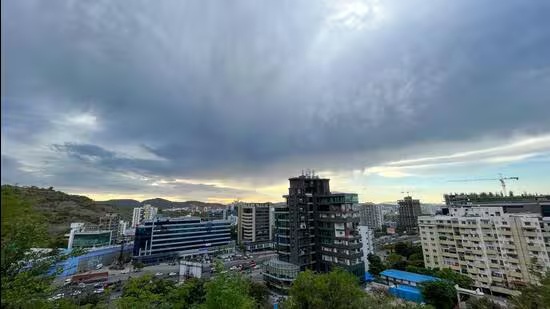
Pune is experiencing a noticeable rise in daytime temperatures, creating a sharp contrast between cooler mornings and sweltering afternoons. City weather data over the past week indicate minimum temperatures stabilising in the mid-teens, while daytime highs have crossed the 30°C mark, prompting urban planners and civic officials to reconsider heat mitigation measures.
According to weather authorities, Pune recorded early-week lows around 14–15°C, with afternoon highs reaching 32°C. The trend is expected to continue, with maximum temperatures forecast to touch 34°C by Sunday. While mornings remain comfortable, the intensifying afternoon heat poses challenges for outdoor workers, commuters, and urban infrastructure. Light mist in early hours has been reported, followed by clear skies and strong sunshine through the day. Urban experts highlight that such temperature variations have wider implications for Pune’s energy consumption and mobility patterns. Rising day temperatures increase cooling demand, potentially straining the city’s electricity grid, while outdoor construction, road maintenance, and public transport operations may require adaptive scheduling. “Daytime heat spikes are not just a comfort issue they directly influence urban service delivery and productivity,” said a senior city planner.
The trend also underscores the importance of climate-resilient urban design. Pune’s mix of concrete-dominated developments and limited green cover can exacerbate the urban heat island effect, making the city more vulnerable to temperature extremes. Experts stress the need for increased tree cover, shaded walkways, reflective building materials, and sustainable water bodies to moderate urban microclimates. Real estate developers and infrastructure managers are monitoring these conditions closely. Rising temperatures can influence residential and commercial building design, particularly ventilation, façade treatment, and rooftop insulation. Market analysts note that cities demonstrating proactive climate adaptation measures may see improved property valuations and long-term livability ratings.
Residents are advised to plan outdoor activities for cooler morning and evening hours, maintain hydration, and rely on energy-efficient cooling solutions. City authorities are also expected to intensify monitoring of temperature fluctuations to optimise electricity supply, public transport operations, and urban service delivery during heat peaks. As Pune heads into warmer days, the situation highlights the broader challenge of building urban resilience in fast-growing Indian cities. Adapting infrastructure, public services, and construction practices to rising temperatures will be critical to ensuring equitable and sustainable urban living.