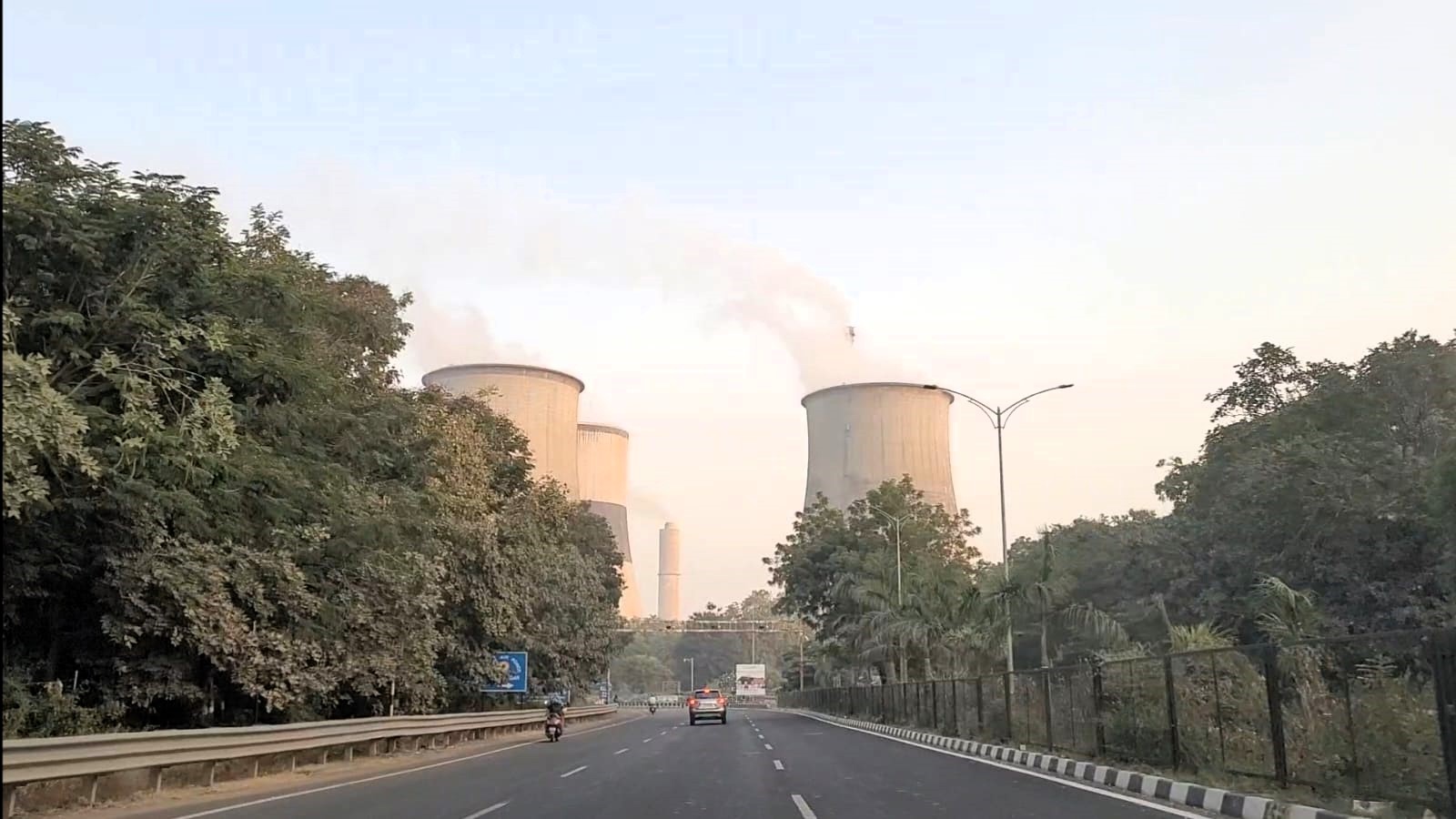
Improved highway engineering and the launch of a semi-high-speed train service are reshaping travel between Ahmedabad and Udaipur, two major urban centres linked by tourism, pilgrimage and trade. For thousands of weekend motorists and inter-state commuters, the Ahmedabad Udaipur road trip has become faster and more predictable, reflecting how targeted corridor upgrades can alter regional mobility patterns. The 260-km stretch connecting northern Gujarat with southern Rajasthan has undergone phased widening and grade separation works over recent years. Key sections that once faced bottlenecks due to narrow carriageways and at-grade crossings now allow steadier cruising speeds. Although flyover construction continues at select nodes near Himmatnagar and Shamlaji, service lanes and diversions are maintaining throughput, according to transport officials.
Urban planners note that such corridor-level improvements do more than shorten leisure travel time. They integrate secondary cities and temple towns into larger economic circuits. Udaipur, Nathdwara and Eklingji attract a steady flow of visitors from Gujarat, while industrial clusters in north Gujarat rely on the same highway for freight and labour mobility. Predictable travel times support hospitality investments, logistics planning and small-business growth along the route. Traffic engineers estimate that, under normal conditions and within permitted speed limits, a road journey between Ahmedabad and Udaipur can now be completed in roughly four to four-and-a-half hours. However, authorities continue to caution motorists about congestion near ongoing grade-separation works and emphasise the use of electronic tolling to prevent delays. Vehicles without FASTag face higher toll charges, reinforcing the Centre’s broader push towards cashless, lower-emission toll plazas that reduce idling and fuel waste.
Fuel efficiency remains a practical concern for frequent travellers. Highway driving typically delivers better mileage than stop-start urban traffic, though gradients near flyovers can temporarily reduce efficiency. Transport analysts argue that smoother alignments and uninterrupted carriageways contribute indirectly to lower per-trip emissions, aligning with India’s broader decarbonisation goals for the transport sector. Beyond road travel, rail connectivity on the corridor is set to expand. The Udaipur–Asarva Vande Bharat Express, scheduled to operate six days a week, will connect key intermediate towns including Dungarpur and Himmatnagar. Rail officials say the service is designed to serve tribal and semi-urban regions that historically experienced slower passenger links. By offering a reliable alternative to private vehicles, the train could ease peak road congestion while broadening access to education, healthcare and employment across districts.
For city administrators and regional planners, the transformation of the Ahmedabad–Udaipur axis illustrates how multimodal investment—roads, bypasses and faster trains can unlock economic spillovers without requiring entirely new corridors. The next phase, experts suggest, will hinge on completing pending flyovers, improving wayfinding and ensuring roadside amenities meet safety and sanitation standards. As mobility between Gujarat and Rajasthan intensifies, the corridor’s evolution will test how infrastructure upgrades balance tourism growth, environmental responsibility and inclusive regional development.