


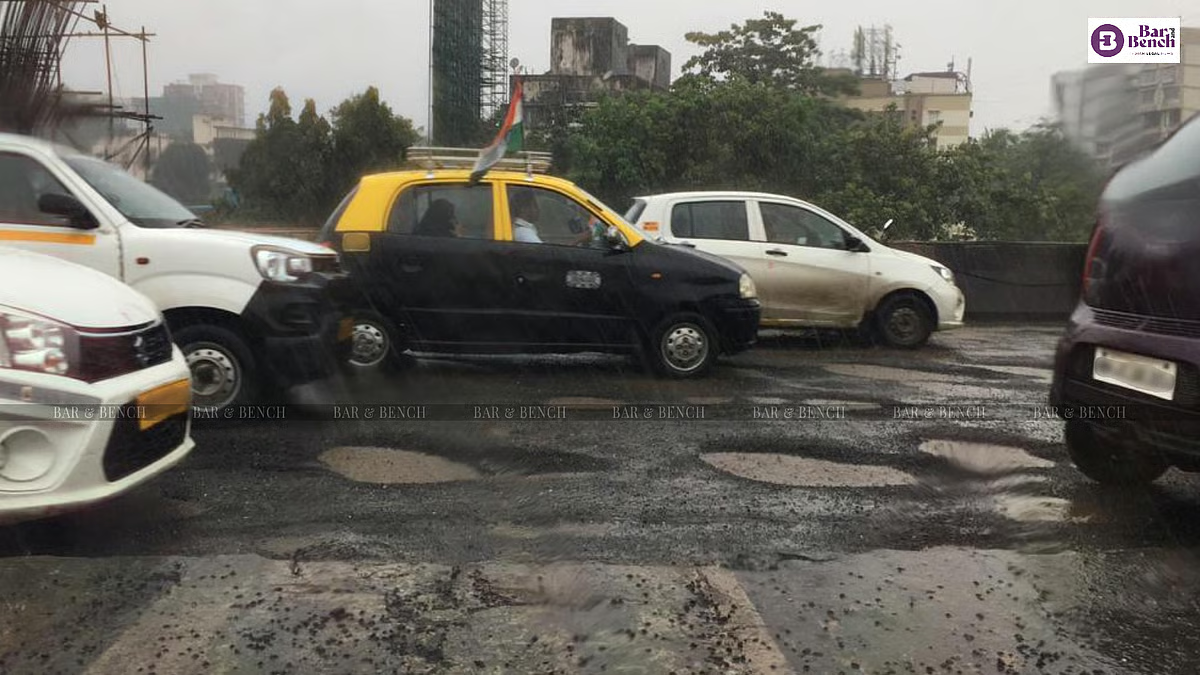
Kerala, marred by widespread potholes, has now escalated to the highest echelons of judicial scrutiny. The Kerala High Court’s decision to summon engineers directly responsible for road maintenance signals a significant turning point, underscoring the severe implications of neglected infrastructure on public safety and urban functionality. This judicial directive reflects a broader societal demand for greater accountability in governance and a renewed focus on creating truly sustainable and equitable urban landscapes.
Potholes are far more than mere inconveniences; they represent a tangible threat to human lives and economic stability. They contribute significantly to road accidents, causing injuries and fatalities, and inflict substantial damage to vehicles, leading to financial burdens for citizens. For daily commuters, including those reliant on two-wheelers or public transport, navigating such hazardous conditions is a daily struggle that impacts their productivity, health, and overall quality of life. The issue disproportionately affects vulnerable populations, including women, who may face heightened safety concerns on poorly maintained roads, highlighting a critical gender equity dimension in urban planning.
Also Watch: “Mumbai will rock, shine and always be India’s best city to live.” In an exclusive, MHADA CEO Sanjeev Jaiswal (IAS) talks about Mumbai’s enduring charm, livability, and the government’s focus on making it affordable for all
The recurring problem of potholes in a state like Kerala, known for its high literacy rates and progressive social indicators, points to deeper systemic issues within urban infrastructure management. It raises questions about the quality of materials used, the efficacy of construction techniques, and the robustness of maintenance protocols. Furthermore, it highlights the urgent need for transparent project execution and stringent oversight mechanisms to ensure that public funds are utilised effectively for durable and resilient infrastructure.
Addressing this pervasive issue requires a shift towards more proactive and eco-friendly urban planning. This includes adopting sustainable road construction materials and techniques that are more resistant to heavy rainfall and traffic loads, thereby reducing the frequency of repairs and the associated environmental footprint. Implementing smart monitoring systems, such as IoT-enabled sensors, could provide real-time data on road conditions, allowing for timely and targeted maintenance interventions before small cracks escalate into dangerous potholes. Such technological integration is crucial for building zero net carbon and efficient urban networks.
The Kerala High Court’s intervention serves as a powerful reminder that fundamental rights, including the right to safe passage, are intrinsically linked to the quality of public infrastructure. It places a direct onus on the engineering community and governmental agencies to uphold their professional and civic duties. This judicial push for accountability is a vital step towards fostering a culture of responsible urban governance, ensuring that cities are not just economically vibrant but also safe, accessible, and truly liveable for all their inhabitants. The outcome of this legal proceeding could set a precedent for infrastructure accountability across other Indian cities grappling with similar challenges.
Also Read: Air India Flight AI 2744 Skids Off Mumbai Runway Amid Rain Today
