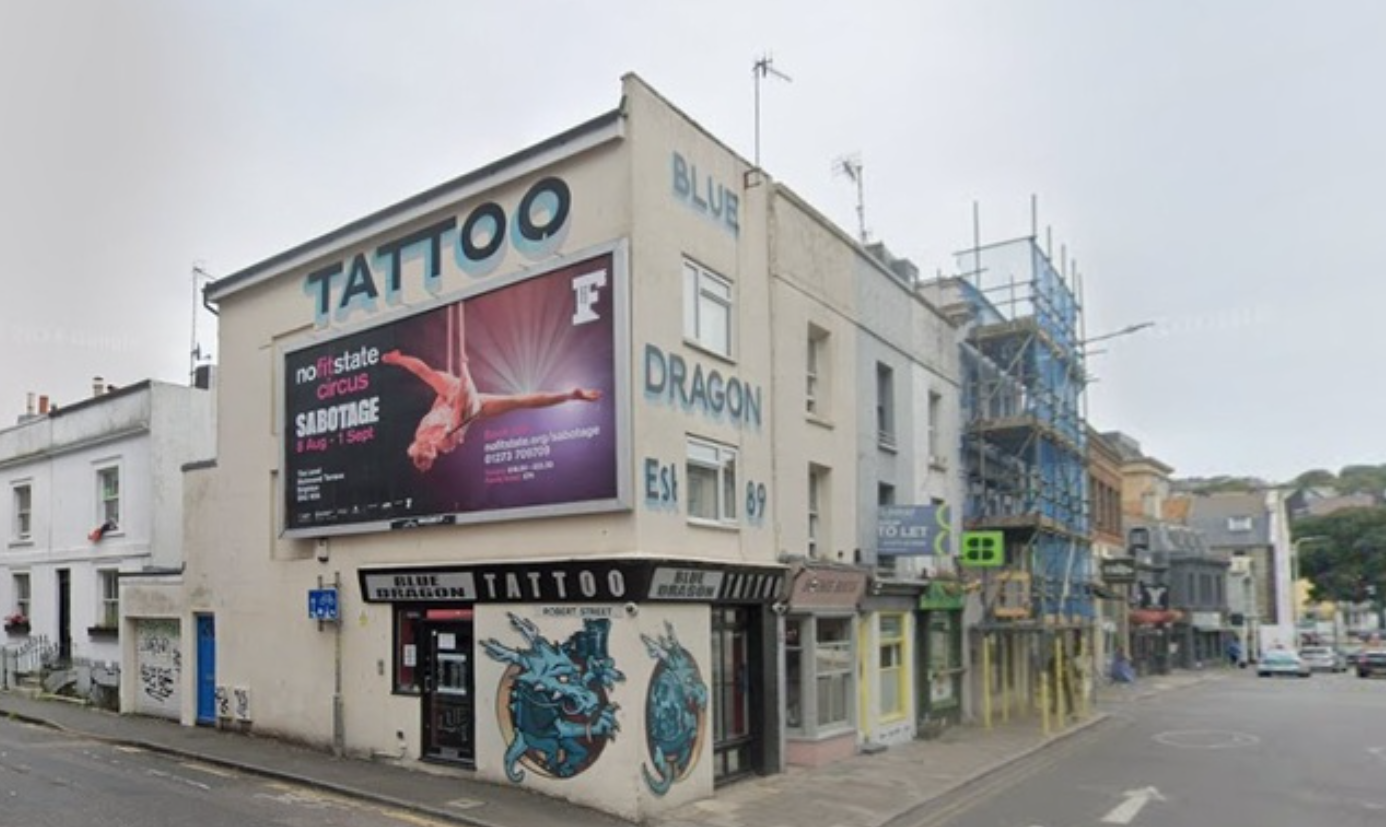
12 City Areas Marked No-Hoarding Zones to Improve Visual Environment
The Kolkata Municipal Corporation (KMC) has announced that 12 key city intersections, along with several designated green zones, will become no-hoarding and no-advertisement areas. This decisive policy aims to declutter the city’s visual landscape, improve pedestrian safety, and protect the architectural integrity of heritage structures. The move reflects a proactive approach to urban planning, prioritising public spaces for a more sustainable, equitable, and aesthetically pleasing urban experience for all citizens.
The newly designated no-advertisement zones extend to a 50-meter radius around crucial intersections such as Gariahat, Ballygunge Phari, Park Circus Seven Point, Moulali, Rajabazar, Ultadanga, Shyambazar Five Point, Hazra, Exide, Golpark, Taratala, and Rashbehari. Currently, many of these bustling intersections are inundated with commercial hoardings, often obstructing views and contributing to visual pollution. The KMC’s directive also reiterates existing prohibitions in the central business district, the Maidan, and prominent thoroughfares like Park Street and Camac Street, ensuring consistent application of urban beautification norms.
Crucially, the policy extends to ecologically sensitive and high-visibility areas, designated as ‘green zones’. These include the Biswa Bangla Sarani, connecting Kolkata airport to Science City, and the entire route from the airport to Nabanna via Chinar Park, VIP Road, Major Arterial Road through New Town, Maa flyover, and AJC Bose Road flyover. By restricting outdoor advertising in these green corridors, the KMC aims to preserve natural vistas and promote a cleaner environmental aesthetic, aligning with broader goals for a zero net carbon and eco-friendly urban footprint. The decision is a positive step towards ensuring that urban development does not come at the expense of environmental quality or visual serenity.
Furthermore, the KMC has introduced stringent conditions for temporary banners, particularly those displayed during cultural festivals like Durga Puja and Kali Puja. While acknowledging the cultural significance of these events, the new rules restrict the size of flex banners and specify permissible display periods – seven days prior to Mahalaya until seven days after Bijoya Dashami for Durga Puja, and three days prior to Kali Puja until three days after the festival. This balanced approach seeks to respect cultural traditions while mitigating the environmental impact of temporary advertising materials and ensuring that public spaces remain uncluttered for daily use.
The notification also lays down specific prohibitions around heritage sites and public monuments. Hoardings are banned within 25 metres of buildings of archaeological, architectural, aesthetic, historical, or heritage importance, and within 15 metres of statues, minarets, or pillars of heritage significance. Areas of religious importance will also maintain a 10-meter no-hoarding buffer. Critically, no advertising structures shall obstruct natural light or ventilation of buildings, and bamboo scaffoldings are strictly prohibited on median verges and road dividers. The maximum height for temporary structures is capped at 22 feet. These measures collectively aim to preserve the city’s rich heritage, improve public safety, and ensure that advertising complements, rather than detracts from, the city’s overall liveability and equitable access to visual comfort.