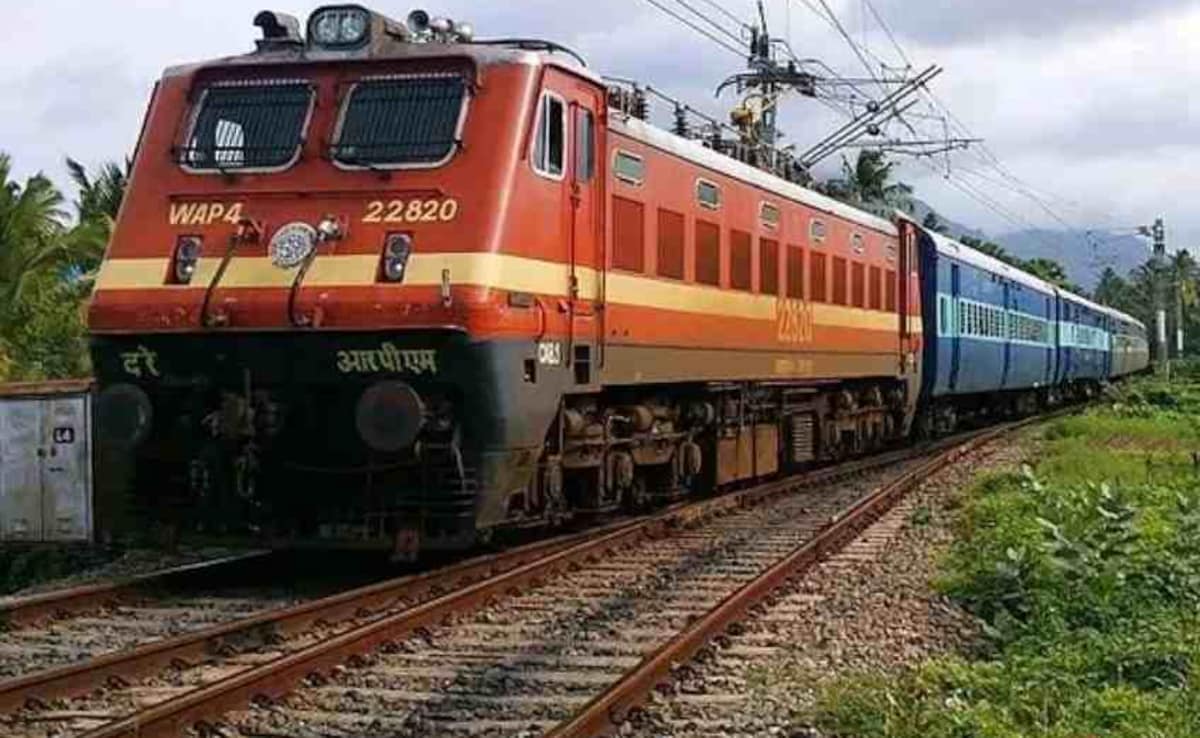
11,535 Railway Coaches Now Equipped with CCTVs for Safety
Amidst growing concerns over transparency, the Indian Railway Catering and Tourism Corporation (IRCTC) has strongly defended its process for awarding catering tenders. Following allegations of corruption and favouritism raised by several officials in the Lok Sabha, the Ministry of Railways has affirmed that robust monitoring systems and transparent procedures are in place to ensure integrity. The official response, delivered in a written reply, highlighted that contracts for train catering clusters are awarded to the highest bidders in strict adherence to extant policy, with the aim of not only maintaining but also enhancing food quality and hygiene across the extensive network.
The central point of contention raised by elected representatives revolved around the awarding of a disproportionately large share of contracts to a single family. In a firm rebuttal, the Minister of Railways clarified that such a concentration of contracts did not occur, stating unequivocally that no single entity had been awarded a majority of the contracts. This assertion is a direct response to public and political scrutiny over a process that has a direct impact on millions of daily commuters. By addressing these concerns head-on, the IRCTC aims to reassure stakeholders that the tendering process is fair, competitive, and free from unethical practices. Details of all Letters of Award (LOA) are reportedly made public on the IRCTC website, a move that is intended to foster accountability and public trust in the system.
Beyond the immediate allegations, this debate underscores a larger conversation about sustainable and equitable business practices within a massive public service framework. The scale of IRCTC’s operation, serving an average of 16.5 lakh meals per day, presents a unique opportunity to lead on environmental and social fronts. A truly transparent and equitable tendering process could be a powerful tool for change, ensuring that contracts are not just awarded to the highest bidder but also to those who commit to eco-friendly measures. This could include mandating the use of sustainable packaging materials, reducing food waste through efficient logistics, and prioritising suppliers who source ingredients from local, small-scale farmers. Such an approach would not only mitigate the environmental footprint of train catering but also create a more level playing field for diverse, local entrepreneurs, including businesses led by women and marginalized communities.
To ensure continuous improvement and accountability, the IRCTC has implemented a sophisticated monitoring system. The RailMadad portal serves as a centralised hub for passengers to lodge complaints and suggestions regarding food quality and service. This digital platform ensures that every complaint is registered, tracked, and routed to the relevant department for swift redressal. Officials noted that in the last financial year alone, over ₹13 crore in penalties were imposed on contractors for non-compliance, demonstrating a commitment to enforcing standards. This robust feedback and penalty mechanism is crucial for maintaining hygiene standards and service quality. It reflects a strategic move towards a more citizen-centric approach, where passenger feedback is not just heard but is actively used to drive operational improvements.
Ultimately, the integrity of the IRCTC’s tendering process is fundamental to building a more sustainable and equitable public service. Transparency in awarding contracts is not merely about preventing corruption; it is about creating a system that benefits all stakeholders, from the passenger to the small-scale supplier. By upholding a fair process and leveraging technology to enhance accountability, Indian Railways can ensure its catering services contribute positively to the national agenda of creating zero-net-carbon, eco-friendly, and equitable urban spaces.